

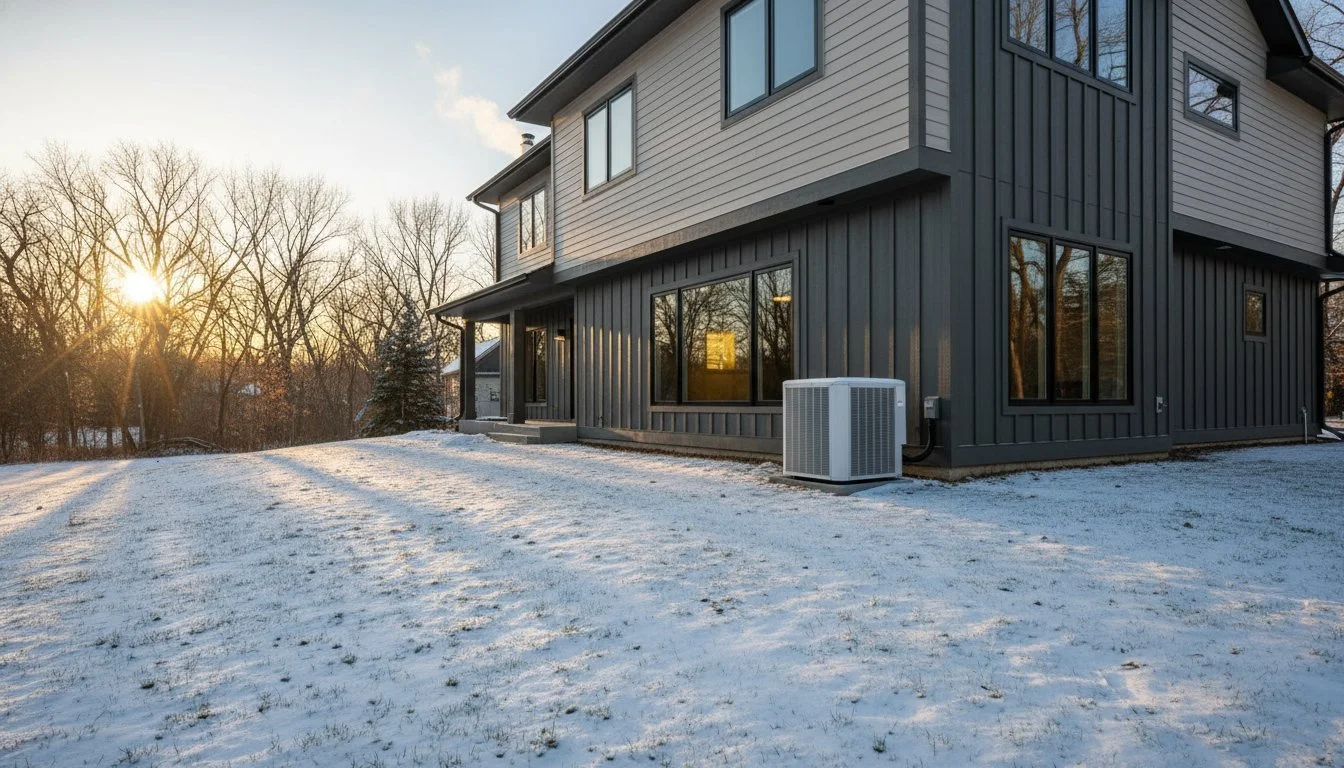
Heating and Air: A Homeowner’s Guide to Choosing Systems in Minnesota
In the Twin Cities, your heating and airsystem isn't just a luxury for comfort; it's a critical survival tool that stands between your family and a sub-zero polar vortex. When the mercury drops well below zero, you need more than just a standard furnace. You need a system engineered for the specific demands of our Northern climate. We understand that local homeowners face unique challenges, from high utility bills during the deep freeze to uneven cooling in multi-story houses during humid July afternoons.
It's exhausting to worry about whether your equipment will fail when you need it most. You deserve a home that stays consistently comfortable without draining your bank account every month. This guide will help you master the essentials of heating and air systems so you can make a confident, cost-effective decision for your Twin Cities home. We'll walk through how to choose the right equipment, the importance of precise sizing for your specific square footage, and how to achieve reliable year-round comfort.
Key Takeaways
Understand why Minnesota's extreme temperature swings require a specialized approach to heating and air engineering to ensure your home stays safe.
Learn how the "Manual J" load calculation acts as the industry gold standard for eliminating uneven temperatures across different floors of your house.
Discover which specific efficiency ratings, like a 96% AFUE furnace, are essential for lowering energy costs during our coldest months.
Find out why it's important to prepare your workspace and ductwork for a professional, hassle-free installation day.
See why working with a local expert who's rooted in the Twin Cities makes a difference when the temperature drops to -20°F.
Table of Contents
Understanding Heating and Air: The Minnesota Climate Challenge
In the Twin Cities, heating, ventilation, and air conditioning isn't just a category of household appliances. It's a comprehensive mechanical ecosystem designed to protect your home from some of the most aggressive weather patterns in North America. While homeowners in southern states might prioritize cooling alone, we have to prepare for a 130-degree temperature variance throughout the year. This massive swing requires a much higher standard of engineering and installation than what you'll find in milder regions.
True indoor climate control rests on three specific pillars: consistent temperature, balanced humidity, and filtered air quality. If one of these pillars fails, your home's comfort collapses. We often see aging systems lose their ability to maintain this balance as components wear down. This is particularly relevant as we look toward 2026 standards, which favor higher SEER2 ratings. These updated efficiency metrics ensure that your heating and airequipment can handle a humid August week without sending your utility bills into orbit.
The Anatomy of a Modern HVAC System
Your furnace is the primary heart of your sub-zero survival strategy. It provides the reliable heat needed to keep your family safe and your pipes from freezing when the North Metro hits -30°F. Meanwhile, your air conditioner and evaporator coil function as a critical team during the summer. They don't just "make cold air." They work together to pull heat and moisture out of your living space. At the center of this operation is the thermostat. It acts as the brain, coordinating every component to ensure your home stays at the exact temperature you've set, whether you're sleeping or away at work.
Why 'Average' Systems Fail in the Twin Cities
Systems designed for moderate climates often fail when they meet a Minnesota winter. Standard heat pumps, for example, can lose significant efficiency once temperatures drop below freezing. Without a cold-climate specific model or a reliable backup furnace, your home won't stay warm. Humidity control is just as vital in July as heat is in January. Minnesota air can feel like a wet blanket during mid-summer. If a system is undersized or poorly configured for our local humidity levels, it won't pull enough moisture from the air. This leaves your home feeling clammy and uncomfortable. During a local heatwave, an undersized unit will run constantly, which leads to expensive mechanical failures and high energy costs.
How to Evaluate Your Home’s Heating and AirNeeds
Evaluating a home's heating and airrequirements involves more than just looking at the square footage. While big-box retailers might suggest a unit based on room size alone, this approach ignores critical factors like your home's insulation quality, window placement, and ductwork capacity. To achieve true comfort, you need to look at how your house functions as a single unit. Improving home energy efficiency starts with a deep dive into your current system's performance and your home's physical structure.
Step 1: The Home Comfort Audit
Start by walking through your home to identify comfort gaps. Older North Metro homes often have drafts or insulation gaps that force your system to work harder than necessary. Check for hot or cold spots in upstairs bedrooms or finished basements. You should also review your energy bills from the last three years to spot efficiency creep. A 10% increase in monthly utility bills often signals mechanical fatigue in your existing equipment. This gradual rise suggests your system is struggling to maintain standard temperatures.
Step 2: Choosing Your System Configuration
Every home in our community is different. You have several options depending on your existing infrastructure:
Standard Split Systems: These use a traditional furnace and AC combo, which is common in most Twin Cities residential properties.
Hybrid Dual-Fuel Systems: These combine an electric heat pump for moderate days with a gas furnace for extreme cold.
Ductless Mini-Splits: These are ideal for home additions or garage heater conversions where extending ductwork isn't practical.
If you're unsure which setup fits your floor plan, our team can provide a professional system evaluation to help you decide.
Step 3: Sizing for Efficiency, Not Just Power
Many homeowners think a bigger unit is always better. In reality, an oversized system will "short-cycle," turning on and off too frequently. This prevents the system from properly dehumidifying your air during a humid July day in Ramsey or Blaine. We use the Manual J Load Calculation to determine the exact size you need. This industry gold standard considers your home's orientation, window types, and local climate data. Modern variable-speed motors are especially helpful here. They adapt their output to meet your home's shifting needs, providing a steady flow of air rather than a series of loud, powerful blasts. This ensures your heating and airsystem runs quietly and efficiently all year long.

The Best Temperature for AC in Summer: Busting the 78-Degree Myth
What if the "magic number" for your thermostat is actually making your family miserable and your home feel like a sauna? We've all heard the standard advice that 78 degrees is the best temperature for ac in summer, but for many homeowners, that setting feels more like a recipe for a sticky, restless night than a real solution. With average residential electricity rates climbing to 18.05 cents per kWh as of May 2026, the pressure to save money is high. However, setting the dial too high often leads to family arguments and a house that never quite feels cool enough.
It's a common struggle, and you aren't alone in wanting a home that feels like a sanctuary rather than an oven. We'll show you how to find the perfect balance between comfort and cost by debunking the most persistent air conditioning myths. You will discover a specific temperature range for day and night that keeps your bills in check while addressing that heavy, humid air. We will also explore how your smart thermostat can do the heavy lifting for you, ensuring your system runs efficiently even during the hottest July afternoons.
Key Takeaways
Understand why the 78-degree guideline is only a starting point and how local humidity impacts your home's actual comfort level.
Stop falling for common myths, like the idea that cranking your thermostat to 60 degrees will cool your living space any faster.
Identify the best temperature for ac in summer to balance monthly utility savings with a cool, inviting environment for your family.
Learn the science-backed temperature range for better sleep and why a cooler bedroom is necessary for restorative rest.
Discover how routine maintenance ensures your system can reach your target settings while effectively removing excess moisture from the air.
Table of Contents
Why "Feel" Matters More Than the Number: Humidity and Airflow
How C&M Heating and Air Optimizes Your Home for Minnesota Summers
Is 78 Degrees Really the Best Temperature for AC in Summer?
The U.S. Department of Energy has long suggested that 78 degrees is the best temperature for ac in summer. This recommendation isn't based on how comfortable you feel while watching a movie or cooking dinner; it is strictly an energy-saving guideline. For many families in our community, 78 degrees is simply too warm. When the indoor air hits that threshold, it often crosses the "perspiration point," making your home feel stuffy rather than relaxing. While it helps your wallet, it often fails the "comfort test" for active households.
If you're looking for a realistic balance, most HVAC professionals recommend a "Comfort Corridor" between 72 and 75 degrees. This range aligns more closely with standard comfortable indoor temperatures while still keeping energy consumption manageable. You can apply the 3% savings rule to find your own limit. For every degree you raise your thermostat above 72, you typically save about 1% to 3% on your monthly cooling costs. This allows you to make an informed choice based on your budget and your family's needs.
The DOE Recommendation vs. Minnesota Reality
The 78-degree rule might work in a dry climate like Phoenix, Arizona, where moisture evaporates quickly. In places like Blaine, Minnesota, we have to deal with high humidity and a rising dew point. When the air is thick with moisture, your body cannot cool itself effectively through evaporation. A thermostat set to 78 degrees in a humid Minnesota summer often feels like 82 or 83 degrees. This "latent heat" is the reason your house feels sticky even when the AC is running. Our local weather requires a system that doesn't just lower the temperature but also aggressively removes moisture from the air.
Why One Number Doesn’t Fit Every Home
Your neighbor's ideal setting might not work for your specific floor plan. Several factors influence how your home holds onto cool air, including your insulation quality and window orientation. Large, south-facing windows act like giant heaters during the afternoon, making certain rooms feel much hotter than the thermostat suggests. Home layout also plays a massive role. Heat naturally rises, which means your upstairs bedrooms might stay five degrees warmer than your kitchen.
If you struggle with uneven cooling between floors, zone control systemsoffer a professional solution. These systems allow you to set different temperatures for different areas of your home. You can keep the bedrooms cool at night without wasting money cooling an empty living room. Finding the best temperature for ac in summer is rarely about a single number; it is about how your specific home handles the local climate.
3 Common AC Temperature Myths That Are Costing You Money
Many homeowners believe that managing their cooling system is as simple as turning a dial, but common misconceptions often lead to higher utility bills and premature equipment failure. When you follow outdated advice, you aren't just losing money; you're putting unnecessary stress on your AC compressor. Understanding the mechanics of your system helps you determine the best temperature for ac in summer without causing a mechanical breakdown. By ignoring these myths, you can maintain a comfortable home while extending the life of your HVAC unit.
The "Crank It Down" Fallacy
One of the most persistent myths is that setting your thermostat to 60 degrees will cool your home faster than setting it to 72. Most air conditioners operate as "on/off" systems rather than variable throttles. Your unit delivers a steady stream of cold air at the same intensity regardless of the target temperature. Setting the thermostat to an extremely low number does not make the air colder; it simply keeps the system running longer. This unnecessary runtime forces your compressor to work overtime, increasing the risk of a mid-season failure. Setting the dial lower than your target temperature simply wastes energy without providing faster relief.
The "Recovery Time" Debate
Some people believe turning the AC completely off when they leave for work is the ultimate way to save. While this seems logical, it ignores the concept of "heat soak." During a hot day, heat doesn't just sit in the air; it absorbs into your walls, flooring, and furniture. When you return home and flip the switch, your AC must work for hours to remove heat from these surfaces before the air temperature actually drops. This massive workload is often more expensive than maintaining a steady, slightly higher temperature throughout the day.
Instead of a total shutdown, we recommend a 4-7 degree "setback" while you're away. This prevents your home from becoming a heat trap while still offering significant savings. Following Department of Energy guidelines for these setbacks can reduce your cooling costs by nearly 10% annually. If you find it difficult to remember these adjustments, a professional smart thermostat installation can automate the process for you. These devices learn your habits and ensure the house is comfortable the moment you walk through the door.
Thermostat Placement Matters
Where you place your thermostat is just as important as the numbers you punch into it. If your thermostat is located near a sunny window, a heat-producing lamp, or a kitchen appliance, it will register a much higher temperature than the rest of the house. This causes "ghost cooling," where the AC runs to fix a heat problem that only exists in one small corner. If your home never seems to reach the best temperature for ac in summer, it might be time to schedule a cooling system check-up to ensure your thermostat is reading your home's climate accurately. Proper placement ensures your unit only runs when it is actually needed.
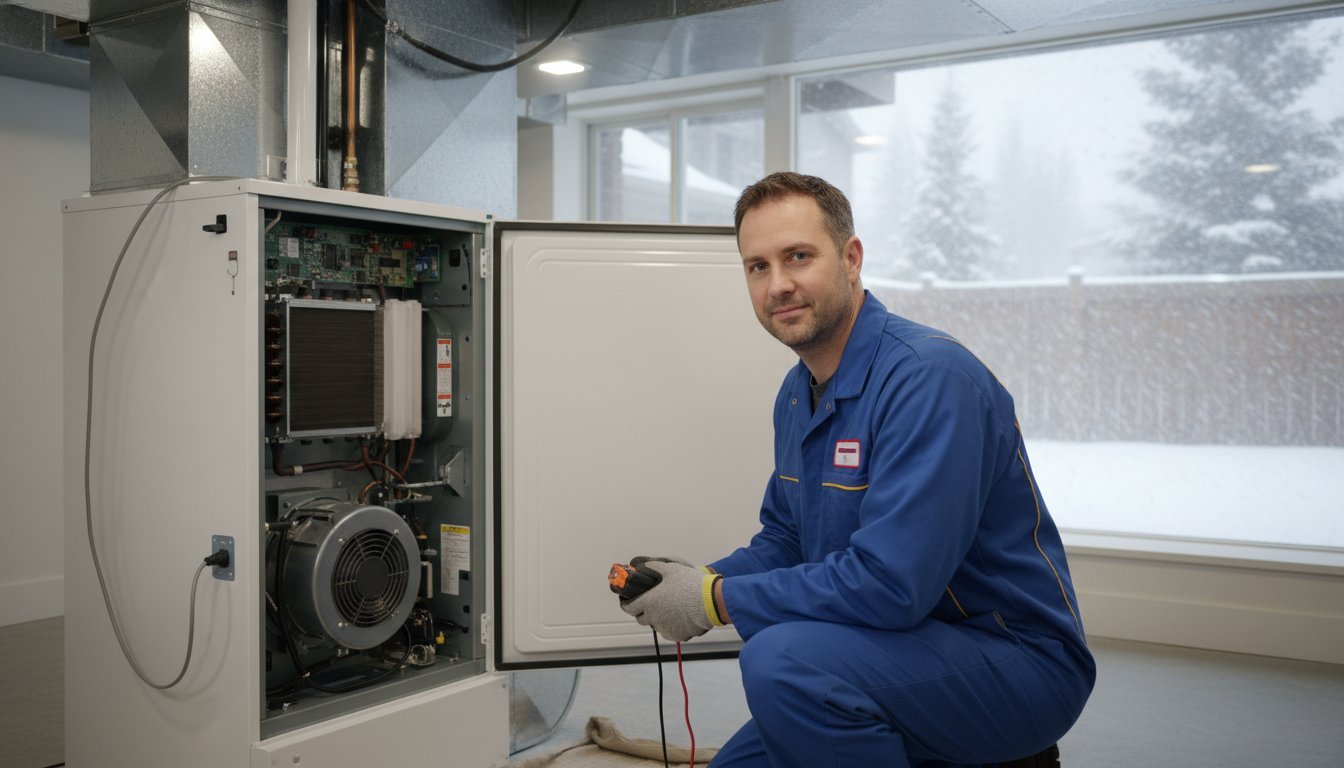
Furnace Tune Up Near Me: The Homeowner’s Guide to MN Winter Readiness (2026)
What if your furnace isn't just a machine, but a "Winter-Readiness Certification" that stands between your family and a life-threatening blizzard? In Minnesota, searching for a furnace tune up near meis about more than just checking a box. It's about ensuring your home remains a safe haven when the temperatures plummet and the wind starts to howl.
We know the frustration of opening a sky-high energy bill or feeling lost in a sea of HVAC terminology. It's stressful to wonder if your heating system is on its last legs as winter approaches. You deserve a reliable home and a clear understanding of your equipment. This guide promises to pull back the curtain on the inspection process, showing you how professional care prevents breakdowns and keeps your costs manageable.
We will also preview the 2026 financial incentives available to you. Even though federal tax credits expired last year, local utility rebates from CenterPoint Energy and Minnesota Energy Resources are still active. We'll show you how to maximize these savings while extending your furnace's lifespan for years to come.
Key Takeaways
Minnesota winters put extreme stress on heating systems. Learn why professional calibration is your best defense against unexpected failures during a blizzard.
See exactly what happens during a comprehensive 20-point inspection. We cover everything from heat exchangers to thermostat accuracy to ensure your family's safety.
Know the limits of DIY care. While filter changes are helpful, discover why opening your furnace cabinet without a pro can void your equipment's warranty.
Maximize your budget by finding a reliable furnace tune up near me. Proper maintenance can cut fuel waste and help your system last up to 20 years.
Connect with a local expert in the North Metro community. We bring over 40 years of honest, neighborly service to homes in Andover, Blaine, and Coon Rapids.
Table of Contents
What is a Furnace Tune-Up and Why is it Critical for MN Winters?
The C&M 20-Point Inspection: What to Expect During Your Visit
DIY Maintenance vs. Professional Tune-Ups: Where to Draw the Line
The Financial Case: How Maintenance Prevents Emergency Repair Costs
Schedule Your North Metro Furnace Tune-Up with C&M Heating and Air
What is a Furnace Tune-Up and Why is it Critical for MN Winters?
A furnace tune-up is much more than a quick dust-off of your heating unit. It's a comprehensive professional inspection, cleaning, and calibration of your entire heating system. When you start searching for a furnace tune up near me, you're looking for a technician who understands the specific mechanical demands of our local climate. To get technical for a moment, What is a furnace? It's a complex system that converts fuel into heat to keep your family safe. In Minnesota, this system is the only thing standing between your home and a sub-zero emergency.
The "Minnesota Factor" is a reality we all live with. While a furnace in a southern state might last decades with minimal care, North Metro systems work twice as hard. Our furnaces face extreme temperature swings and prolonged periods of high-intensity operation. This constant cycling places immense stress on the blower motor, igniter, and heat exchanger. Without an annual check, these parts can fail at the exact moment you need them most. Early fall is the best time for this service. It allows our team to identify potential issues before the heavy snow arrives in Coon Rapids or Blaine.
The Difference Between a Tune-Up and a Repair
It's helpful to view a tune-up as proactive maintenance rather than a reactive fix. Repairs happen after a component has already failed. This often leaves you in a cold house at midnight waiting for a technician. A tune-up is a diagnostic health check designed to catch "hidden" wear and tear. We look for frayed belts, loose electrical connections, or failing sensors that haven't caused a full breakdown yet. By addressing these small problems now, you avoid the high costs and stress of emergency repairs later in the season. Plus, regular maintenance often protects your manufacturer's warranty.
Safety First: Carbon Monoxide and Gas Leaks
Safety is the most critical goal of any professional visit. We perform rigorous checks on the heat exchanger to ensure there aren't any cracks or holes. Even a tiny fracture can leak carbon monoxide into your home air supply. While home CO alarms are helpful, they often only trigger after levels are already dangerous. Our professional sensors detect trace amounts of gas and CO that standard alarms might miss. This protocol is a vital safety step for every family-owned home in our community. It provides the peace of mind you need to sleep soundly through a winter storm.
The C&M 20-Point Inspection: What to Expect During Your Visit
When you schedule a furnace tune up near me, you shouldn't have to guess what's happening behind the service panel. Transparency is the foundation of our work in the North Metro. While some providers might just swap a filter and leave, our 20-point process is a deep dive into your system's health. We examine everything from thermostat calibration to the integrity of the heat exchanger. This ensures every component is ready for the heavy lifting of a Minnesota winter. Our technicians treat your home with respect, explaining their findings in plain English so you can make informed decisions about your comfort.
A critical part of this visit involves cleaning the blower motor and flame sensors. Dust buildup on the blower motor can cause it to overheat, which leads to premature failure. Similarly, a dirty flame sensor might prevent your furnace from staying lit, even if the fuel supply is fine. These small steps often make the biggest difference in reliability. At the end of the visit, you'll receive a detailed written report. This health assessment provides a clear picture of your unit's current condition and any recommended steps for the future. If you want to ensure your system is in peak shape, you can book your comprehensive inspection with our local team today.
Electrical and Mechanical Component Testing
Our technicians use specialized tools to test capacitors and measure motor amperage. If a capacitor is failing, your motor has to work harder to start. This wastes electricity and shortens the component's lifespan. We also tighten all electrical connections to prevent short-circuiting. Normal vibrations from operation can loosen these wires over time. Finally, we lubricate all moving parts to reduce friction. This simple maintenance task minimizes energy drag and keeps the unit running quietly throughout the night.
Combustion and Airflow Optimization
Efficiency depends on a perfect balance of fuel and oxygen. We clean the burner assembly to ensure a steady, clean flame. Our team also adjusts gas pressure to meet manufacturer specifications for optimal fuel-to-heat conversion. This is a key part of pursuing energy efficiency upgrades that lower your monthly bills. We finish by verifying airflow through your ductwork. Proper airflow prevents hot spots and ensures every room in your home stays comfortable, even during the coldest January nights.
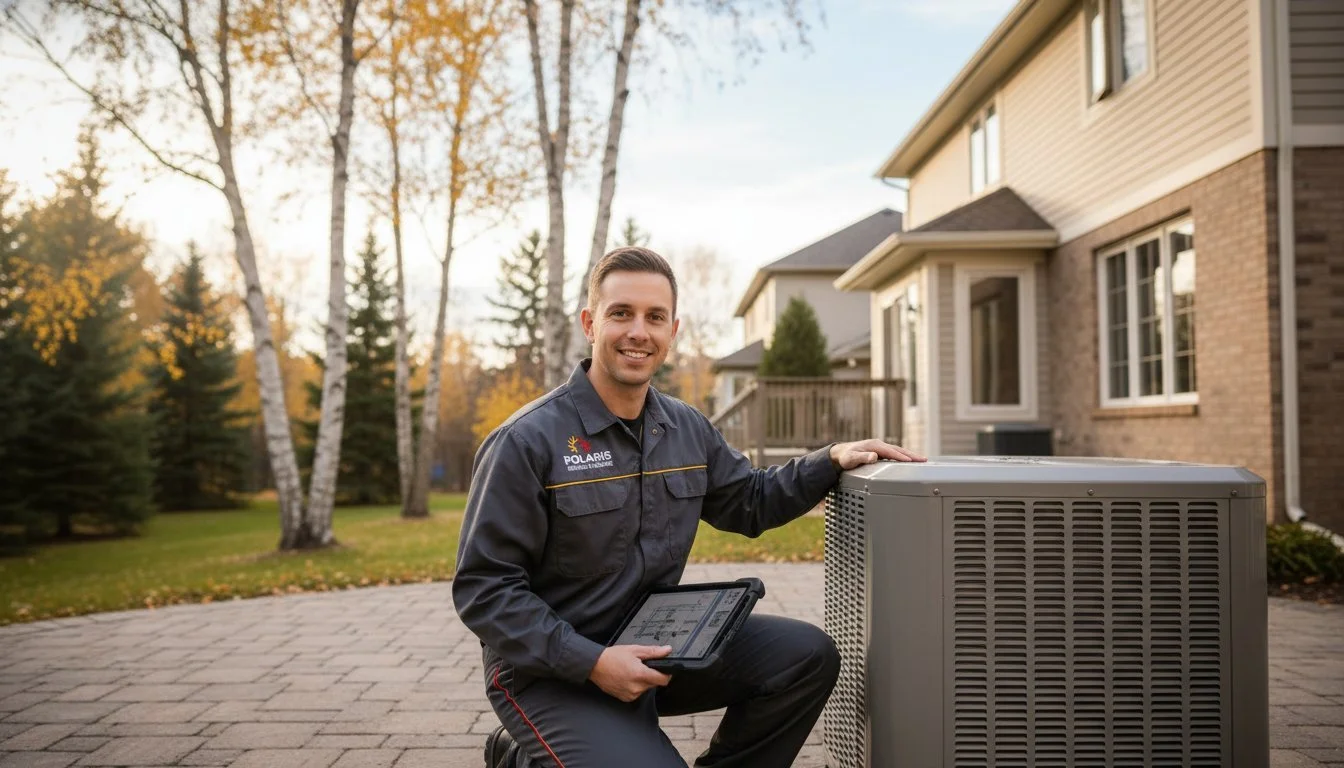
The Ultimate Heating and Air Conditioning Service Checklist for MN Homeowners
Imagine waking up at 3:00 AM in the middle of a Minnesota January to a silent furnace and a home that's already dropping below sixty degrees. It's a stressful scenario that many Twin Cities neighbors fear, especially as our extreme weather puts constant strain on mechanical systems. You've likely noticed your monthly utility bills creeping up without a clear cause, or perhaps you're concerned about how the 2026 transition to lower GWP refrigerants like R-32 affects your current equipment. We know that maintaining a comfortable home shouldn't feel like a gamble or a source of financial stress.
This guide provides a comprehensive checklist to help you assess your system's health and determine when it's time for professional heating and air conditioning service. You'll learn how to identify early warning signs of failure, simple ways to lower your energy costs, and how to choose a reliable local provider who values transparency. We'll give you the tools to understand your system's current condition so you can enjoy total peace of mind, whether there's a blizzard outside or a record-breaking heatwave on the horizon.
Key Takeaways
Learn how to conduct a seasonal performance audit to ensure your furnace is ready for the extreme Minnesota winter.
Identify critical auditory and scent-based red flags that signal it is time to schedule a professional heating and air conditioning service.
Use our 5-point reliability checklist to verify local bonding and credentials before hiring an HVAC contractor in the Twin Cities.
Prepare your home for a service call by following simple steps that ensure technician safety and system accessibility.
Discover how smart thermostats and indoor air quality upgrades can reduce your monthly energy bills and protect your long-term comfort.
Table of Contents
The Seasonal HVAC Performance Checklist for Minnesota Homeowners
Identifying Red Flags: When to Schedule Professional Heating and Air Conditioning Service
Vetting Your HVAC Contractor: A 5-Point Reliability Checklist
Preparing for Your Service Call: A Homeowner’s Efficiency Checklist
Long-Term Comfort: Maintenance and Upgrades for North Metro Families
The Seasonal HVAC Performance Checklist for Minnesota Homeowners
Minnesota weather is unforgiving. Your home's comfort depends on a system that works hard in both July and January. The North Metro climate demands a dual-season maintenance approach because our extreme temperature swings put immense stress on HVAC systems. In our local community, we don't just wait for a mechanical failure to occur. We anticipate the shift from heavy humidity to deep frost. Consistent heating and air conditioning service ensures your equipment handles these transitions without a spike in your monthly energy bills.
Before the snow flies, your focus should be on the furnace. A cracked heat exchanger is a serious safety risk that can lead to carbon monoxide leaks. Check the pilot light or ignition system to ensure a steady, blue flame. When spring arrives, shift your focus to the outdoor unit. Dirt on condenser coils forces the system to work harder, while frayed refrigerant lines lead to poor cooling performance and higher costs.
Don't ignore the small monthly tasks that protect your investment. Changing your air filter is the simplest way to protect your blower motor from premature wear. If you have multiple pets or a large family in a home in Anoka or Coon Rapids, you should check your filter every 30 days. Smaller households might stretch this to 90 days, but consistency is key. Routine heating and air conditioning service can catch these minor issues before they turn into emergency repairs during a blizzard.
Fall Heating Readiness Checklist
Start with a thorough visual scan of your furnace cabinet. Look for any signs of rust, soot, or discoloration that could indicate a burner issue. It's vital to test your thermostat's 'Heat' mode well before the first frost hits Ramsey or Blaine. Finally, check your external exhaust vents. Snow, ice, or bird nests can block these pipes, creating a dangerous carbon monoxide buildup inside your living space. Taking twenty minutes for these checks now prevents a cold house later.
Spring Cooling Readiness Checklist
Begin by removing any winter covers from your outdoor AC unit. Running the system with a cover on will cause immediate overheating and potential compressor damage. Inspect the condensate drain line for algae growth or clogs that could lead to water damage in your basement. Use a fin comb to gently straighten any bent aluminum fins on the outdoor coil. This simple step restores the airflow needed for efficient cooling during the peak of a humid Minnesota summer.
Identifying Red Flags: When to Schedule Professional Heating and Air Conditioning Service
Catching mechanical issues early prevents total system failure during a harsh Minnesota cold snap. While seasonal maintenance helps, you must stay alert for signs of trouble between visits. A well-timed heating and air conditioning service call saves you from the high cost of emergency repairs and the stress of a freezing home. Your system often communicates its distress through sounds, smells, and performance shifts before it stops working entirely.
Your system should operate with a consistent, low-level hum. If you start hearing loud banging or high-pitched screeching, it's a sign of a mechanical struggle. These sounds often indicate a loose belt or a failing motor component that needs immediate attention. Ignoring these auditory warnings usually leads to more expensive damage to surrounding parts. If your system sounds different than it did last month, it's worth a quick check.
Your nose is a powerful diagnostic tool for HVAC health. An ozone-like, metallic smell usually points to electrical overheating or a short circuit within the furnace or AC cabinet. However, a "rotten egg" scent is a clear sign of a gas leak. If you smell gas, leave your home immediately and call for emergency assistance. For less urgent smells, a professional evaluation can pinpoint the root cause and restore your peace of mind.
Sometimes the thermostat says 70 degrees, but you're shivering in your living room. This discrepancy often signals a failing sensor, poor airflow, or ductwork issues. When the room feels different than the reading, your system works harder to compensate, which drives up your energy bills. Addressing these inconsistencies early keeps your monthly costs predictable and your home comfortable.
Operational & Auditory Red Flags
Whistling noises usually mean air is escaping through ductwork leaks or trying to pull through a restricted filter. Grinding sounds often suggest that motor bearings in older units are reaching the end of their lifespan and require lubrication or replacement. Short-cycling is a primary indicator of improper system sizing or sensor failure where the unit turns on and off too frequently.
Visual & Environmental Warning Signs
Ice formation on AC refrigerant lines during a humid Minnesota July is never normal. It usually indicates a refrigerant leak or severe airflow restriction. Check your furnace burner to ensure you see a steady blue glow. A yellow or flickering pilot light flame suggests incomplete combustion and potential carbon monoxide issues. Homeowners in Shoreview or New Brighton should also watch for sudden increases in indoor humidity or unusual dust accumulation. Following expert guidelines for maintaining your air conditioner can help you spot these environmental shifts before they impact your family's health.
Finding Reliable Heating and Air Near Me: A Homeowner’s Guide to Twin Cities HVAC
Imagine waking up at 3 AM in the middle of a January cold snap to a silent furnace and a house that's rapidly losing heat. It's a stressful situation that leads many homeowners to a frantic search for heating and air near me, hoping for a quick fix from whoever answers the phone first. You shouldn't have to gamble with your family's comfort during sub-zero temperatures. You deserve a dependable local expert who understands how Minnesota’s 100-degree temperature swings put unique pressure on your home's mechanical systems.
We'll help you move past the stress of emergency breakdowns and rising utility bills by showing you how to evaluate local HVAC experts with confidence. You'll learn how to navigate the 2026 federal tax credits that offer a 30% credit for energy-efficient upgrades and how to identify contractors who hold the required $25,000 Minnesota mechanical contractor bond. This guide covers everything from essential maintenance steps to the latest heat pump incentives, ensuring your Twin Cities home stays comfortable and cost-effective all year long.
Key Takeaways
Understand why local proximity is essential for rapid emergency response during harsh Twin Cities winters.
Learn to identify common warning signs like furnace short-cycling and refrigerant leaks before they lead to total system failure.
Discover how to vet the licensing and bonding of any provider of heating and air near me to ensure professional accountability.
Compare the long-term savings of routine maintenance versus the high cost of emergency repairs and skipped tune-ups.
Evaluate the benefits of choosing a North Metro specialist with decades of experience in specialized systems like boilers and ductless mini-splits.
Table of Contents
What Does "Heating and Air Near Me" Actually Cover?
When you search for heating and air near me, you're usually looking for a quick fix for a broken furnace or a noisy air conditioner. However, professional HVAC service involves much more than just emergency repairs. These complex Heating, ventilation, and air conditioning (HVAC) systems work as an integrated network to control your home's temperature, humidity, and air purity. A true local expert doesn't just swap parts; they ensure every component of this system works in harmony to keep your family safe during a North Metro winter.
Proximity is vital for homeowners in cities like Ramsey and Blaine. When Minnesota temperatures drop below zero, a furnace failure becomes a safety emergency. A technician located across the Twin Cities might take hours to reach you, but a neighborly expert can provide the rapid response needed to prevent frozen pipes. Local contractors also possess a deep understanding of Anoka County building codes. They know the specific venting requirements and mechanical permit standards that a general handyman might overlook. While a handyman is great for fixing a leaky faucet, specialized HVAC contractors are required to maintain a $25,000 mechanical contractor bond in Minnesota. This bond protects you and ensures the work meets rigorous state safety standards.
Core Heating and Cooling Services
Your local specialist handles the heavy lifting of climate control. This includes furnace and boiler repair to keep your home a sanctuary during sub-zero stretches. They also manage high-efficiency air conditioning installations that can tackle the heavy humidity of a Minnesota July. For homes with unique layouts or those without existing ductwork, modern solutions like heat pumps and ductless mini-splits offer efficient alternatives. These systems provide both heating and cooling from a single, compact unit.
Beyond Temperature: Air Quality and Comfort
True comfort involves more than just the number on your thermostat. During our dry winters, whole-home humidifiers are essential for protecting your woodwork and preventing dry skin. Conversely, whole-home dehumidifiers play a critical role during the spring thaw by preventing basement mold and that "musty" smell. In tightly sealed modern homes, air purifiers work around the clock to remove allergens and dust. These systems ensure the air you breathe is as clean as it is comfortable, regardless of the season outside.
Common HVAC Issues in the Twin Cities and North Metro
Your search for heating and air near meoften begins when your home's "quiet comfort" is interrupted by strange sounds or sudden temperature swings. In the North Metro, our systems work harder than in most parts of the country. This constant strain leads to predictable mechanical failures that can compromise both your comfort and your safety. If your furnace starts short-cycling, which is when it turns on and off every few minutes, it's often a sign of a dirty flame sensor or restricted airflow. Ignoring these small signals can lead to a total system shutdown during a January freeze.
Strange noises are another common cry for help from your HVAC system. A high-pitched whistling usually indicates an air leak or a return vent that's too small. Banging or booming sounds often point to delayed ignition in your furnace, while grinding noises might mean a motor bearing is about to fail. Regular maintenance helps catch these mechanical red flags before they turn into expensive midnight emergency calls. Many of these issues also degrade your indoor air quality by allowing dust and combustion gases to circulate more freely through your living spaces.
Winter Heating Hazards
The most frequent reason a furnace stops blowing hot air is ignitor failure. These components have a limited lifespan and often give out just when you need them most. High-efficiency furnaces also face unique challenges with clogged condensate lines. If the water produced during the heating process can't drain, the system will shut down to prevent water damage. Most importantly, we watch for cracked heat exchangers. These cracks are serious safety risks that can allow carbon monoxide to leak into your home. If you're concerned about your system's safety, a quick professional inspection can provide the peace of mind you need.
Summer Cooling Challenges
When temperatures hit 90 degrees in Coon Rapids or Blaine, your AC faces its toughest test. Frozen evaporator coils are a frequent summer issue, often caused by dirty air filters or low refrigerant levels. In Minnesota, our "cottonwood season" is particularly brutal on outdoor condenser coils. These fluffy seeds act like a blanket, trapping heat and forcing your AC to work twice as hard. This lack of airflow doesn't just raise your utility bills; it also prevents your system from properly dehumidifying your home, leading to that sticky, uncomfortable feeling indoors even when the air is cool
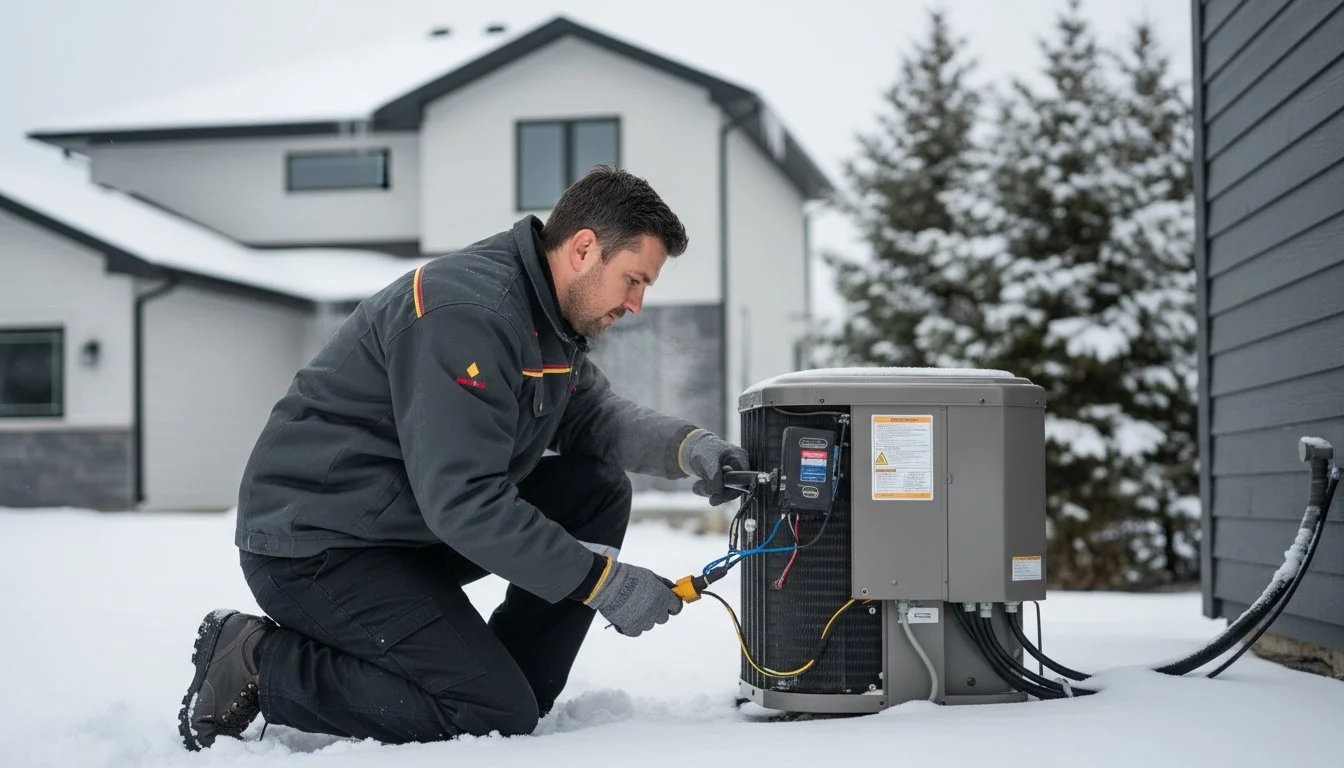
Emergency HVAC Service in Anoka County: Fast Repair
Table of Contents
Identifying an HVAC Emergency in Anoka County
When your furnace quits in the dead of a Minnesota winter or your air conditioner fails during a sweltering July heatwave, the situation can feel like a crisis. But what truly constitutes an HVAC emergency that requires a fast response? It's any situation where the loss of climate control poses a direct risk to your family’s safety, your health, or your home’s structural integrity.
Defining a true HVAC emergency:Understanding when it's time to call for priority service is key. A complete loss of heat in freezing temperatures or a non-functioning AC during extreme heat are clear emergencies.
Safety first: If you notice unusual smells like gas, electrical burning, or if your carbon monoxide alarms are triggered, shut down your system immediately and call for professional help. These are life-safety emergencies.
Temperature thresholds: A furnace failure when it's sub-zero in the North Metro isn't just an inconvenience—it's a critical situation that needs immediate attention to prevent health risks and property damage.
The risk of secondary damage: A non-functioning furnace can lead to frozen and burst pipes within hours, causing catastrophic water damage. Similarly, a malfunctioning AC can cause water leaks and promote mold growth.
Immediate Steps to Take Before the Technician Arrives
While you wait for our team to arrive, taking a few simple steps can help ensure your safety and speed up the repair process. (Heating, ventilation, and air conditioning (HVAC))
Safety precautions: If you suspect a gas leak or an electrical hazard, know how to safely shut off your gas line at the meter or the electrical breaker to the HVAC unit.
Clearing the path: Ensure our Andover or Blaine technicians have a clear, safe path to your furnace, boiler, or air conditioner. This includes shoveling a walkway in the winter.
Checking the basics: Sometimes, the fix is simple. Check that your thermostat has fresh batteries and that your air filter isn't completely clogged, as these common issues can prevent your system from turning on.
When to Wait vs. When to Call for a Priority Dispatch
Not every issue requires an urgent response. If your system is making a minor noise but still heating or cooling, it may be safe to schedule a standard service appointment. However, you should call for priority service if:
Outdoor temperatures are extreme:The impact on your home’s ability to hold a safe temperature is the primary factor.
Health considerations are a factor:The safety of vulnerable family members, such as infants, the elderly, or those with medical conditions, is paramount.
You suspect a safety hazard: Any smell of gas, burning, or signs of electrical malfunction requires an immediate call.
Our Fast-Response HVAC Repair Process
When you're facing an HVAC failure in Anoka County, you need a clear, efficient, and reliable process. We've streamlined our urgent repair service to restore your comfort and safety as quickly as possible during our service hours.
The Initial Call: When you contact us, our North Metro office team will gather essential information about your system and the problem you're experiencing. We’ll assess the urgency of the situation to prioritize your call.
Rapid Dispatch: We coordinate with our local technicians in Ramsey, Ham Lake, and Coon Rapids to dispatch the closest available expert to your home, ensuring a prompt arrival time.
On-Site Diagnostics: Our technician will use advanced diagnostic tools to accurately identify the root cause of the failure, not just the symptoms.
Transparent Solutions: Before any work begins, we will clearly explain the problem, outline your repair options, and provide a detailed, upfront estimate. You stay in control of the decision-making process.
The Diagnostic Phase: Accuracy Under Pressure
In an urgent situation, a correct diagnosis is crucial. Our technicians are trained to work efficiently without sacrificing accuracy. (HVAC maintenance tips)
We thoroughly test electrical components like capacitors and contactors and check refrigerant levels for AC emergencies.
For furnace failures, we meticulously inspect heat exchangers for cracks, test ignition systems, and clean flame sensors.
You will receive a clear, written estimate for all necessary repairs, ensuring complete transparency.
Restoring Comfort and Verifying System Safety
Getting your system running again is only part of the job. We ensure the repair is durable and your system is safe for continued operation.
Our service vans are stocked with high-quality parts for common repairs, allowing us to fix most issues in a single visit.
After the repair, we perform a comprehensive system test to verify it is operating at peak performance and efficiency.
We conduct a final safety check to confirm there are no gas leaks, carbon monoxide risks, or electrical hazards.
Common HVAC Failures in the Anoka County Climate
Minnesota’s dramatic seasons put immense stress on heating and cooling systems. As a local provider, we have firsthand experience with the specific failures that are most common in Anoka County homes.
Extreme Cold Impacts: During "Polar Vortex" events, North Metro furnaces run almost continuously. This can lead to stress fractures in heat exchangers, motor burnout, and ignition control failures.
Humidity and AC: High Minnesota summer dew points force air conditioners to work harder, often leading to frozen evaporator coils, clogged condensate drains, and capacitor failures.
Aging Infrastructure: Many beautiful homes in historic Anoka and Champlin have older HVAC systems that are more susceptible to mechanical failures and may require specialized parts.
Mechanical Stress: The transitions between seasons are the peak time for urgent calls. The first time you turn on your furnace in the fall or your AC in the spring is when underlying problems often reveal themselves.
Winter Heating Emergencies: Furnaces and Boilers
When the temperature drops, a reliable heat source is non-negotiable. We frequently address:
Ignition Failures: Dirty flame sensors, faulty ignitors, and failing control boards are common culprits in older furnaces.
Boiler Pump Failures: Homes with hydronic heating in MN rely on circulation pumps, which can seize up or fail, halting heat distribution.
Garage Heater Breakdowns: We provide fast repairs for garage heaters to keep your workspace functional and prevent vehicles from failing to start in the deep freeze.
Summer Cooling Crises: Air Conditioners and Heat Pumps
A Minnesota heatwave can be just as dangerous as a cold snap. Common summer emergencies include:
Capacitor Failures: The start-and-run capacitors that power your AC’s motors are often the first component to fail during high-demand periods.
Refrigerant Leaks: A leak not only reduces cooling power but can also cause severe damage to the compressor, the heart of your AC system.
Ductless Mini-Split Issues: We troubleshoot and repair zoned comfort systems, addressing everything from fan motor issues to communication errors between indoor and outdoor units.
Why Local Anoka County Expertise Matters for Urgent Repairs
When your HVAC system fails, you want a team that not only has the technical skills but also understands the local landscape. C&M Heating and Air is not a national franchise; we are a part of the Anoka County community.
40+ Years of Local History: We have been serving families in Anoka County and the surrounding North Metro since 1984. Our reputation is built on decades of reliable service.
Geographic Familiarity: Our technicians live and work here. They know the neighborhoods from East Bethel to Shoreview, which means faster, more efficient travel times to your home.
Community Accountability: As a family-owned provider, we answer to our neighbors, not a corporate office. We are committed to providing honest work and fair pricing.
Stocked for Success: We stock our service vehicles with parts specifically for the furnace and AC brands most common in North Metro homes, increasing the chance of a same-day fix.
The C&M Advantage: Reassuring, Professional Service
Our goal is to turn a stressful situation into a resolved one with professionalism and care.
Our NATE-certified technicians receive continuous training to stay ahead of the latest HVAC technology and repair techniques.
We embody a "Helpful Local Pillar" approach, offering honest advice and transparent pricing, even when you're in a tough spot.
C&M maintains a fleet of fully equipped service vehicles, ensuring we are always ready for a rapid response across the Twin Cities.
Building Long-Term Trust Beyond the Emergency
Our relationship doesn't end when the heat or AC comes back on. We aim to be your long-term partner in home comfort and reliability.
An urgent repair can be the first step toward a preventative maintenance plan that helps you avoid future breakdowns.
If a repair is not cost-effective, we provide free, no-pressure estimates for new system replacements.
By choosing C&M Heating and Air, you are supporting a home-grown Minnesota business and investing in the local economy.
How to Prevent Future HVAC Emergencies
The best way to handle an HVAC emergency is to prevent it from happening in the first place. Proactive maintenance is the single most effective way to ensure your system’s reliability through extreme Anoka County weather.
Seasonal Tune-Ups: The critical importance of professional tune-ups for furnaces and air conditioners cannot be overstated. A technician can spot and fix small problems before they become catastrophic failures.
Simple DIY Maintenance: Regularly changing your air filter (every 1-3 months) and keeping your outdoor AC unit clear of leaves, grass, and debris are simple tasks that make a huge difference.
Smart Thermostat Monitoring:Investing in a smart thermostat can help you monitor system performance and can often alert you to issues before a total breakdown occurs.
Proactive Replacement: If your furnace or air conditioner is over 15 years old and requires frequent repairs, planning for a replacement can save you the stress and expense of an emergency failure.
The Value of Preventative Maintenance Plans
Joining a maintenance plan is an investment in peace of mind and the longevity of your equipment.
A professional tune-up includes cleaning key components, tightening electrical connections, lubricating moving parts, and testing safety controls.
Our maintenance plan members often receive benefits like priority service and discounts on repairs.
Regular expert care has been proven to extend the lifespan of your HVAC system and improve its energy efficiency.
Upgrade Options for Enhanced Reliability
Modern HVAC systems offer significant improvements in reliability and efficiency, perfectly suited for the Minnesota climate.
High-efficiency furnaces and air conditioners can lower your utility bills and provide more consistent comfort.
Consider whole-home air quality solutions like humidifiers and air purifiers to protect your family’s health and your HVAC hardware.
Schedule your seasonal maintenance today to avoid tomorrow’s emergency and ensure your system is ready for whatever the season brings.
Frequently Asked Questions About Urgent HVAC Service
**What is considered an HVAC emergency in Anoka County?
** An HVAC emergency is any failure that compromises your safety or risks significant property damage. This includes a total loss of heat in freezing weather, a complete loss of AC in extreme heat, the smell of gas or electrical burning, or a carbon monoxide detector alarm.
**How quickly can you respond to an urgent furnace repair in Blaine or Andover?
** We prioritize emergency service calls during our regular business hours. Our goal is to provide same-day service for urgent situations to restore your heat or cooling as quickly as possible. Our local presence in the North Metro allows for efficient dispatching.
**What are your hours for urgent service calls?
** We handle urgent and emergency service calls during our standard business hours. While we do not offer 24/7 service, we prioritize calls involving no-heat or no-cool situations to get a technician to you as soon as possible when you contact us.
**Is there an extra fee for priority HVAC service calls?
** Like most HVAC companies, we have standard rates for service calls and diagnostics. We are always transparent about all costs associated with your repair before any work begins, so you won't have any surprises.
**What should I do if my furnace stops working and the temperature is below freezing?
** First, call us for priority service. While waiting, you can take steps to conserve heat: close blinds and curtains, avoid opening exterior doors, and use a space heater safely in a central area. If you can, open faucets to a slow drip to help prevent pipes from freezing.
**Can you repair all brands of air conditioners and furnaces?
** Yes, our experienced technicians are trained to service and repair all major brands of HVAC equipment, including furnaces, boilers, air conditioners, and heat pumps commonly found in Anoka County homes.
**What happens if my HVAC system cannot be repaired during a priority visit?
** If your system is beyond repair or if a major part needs to be ordered, our technician will explain the situation clearly. We will provide a free, detailed estimate for a system replacement and discuss all your options to help you make an informed decision.
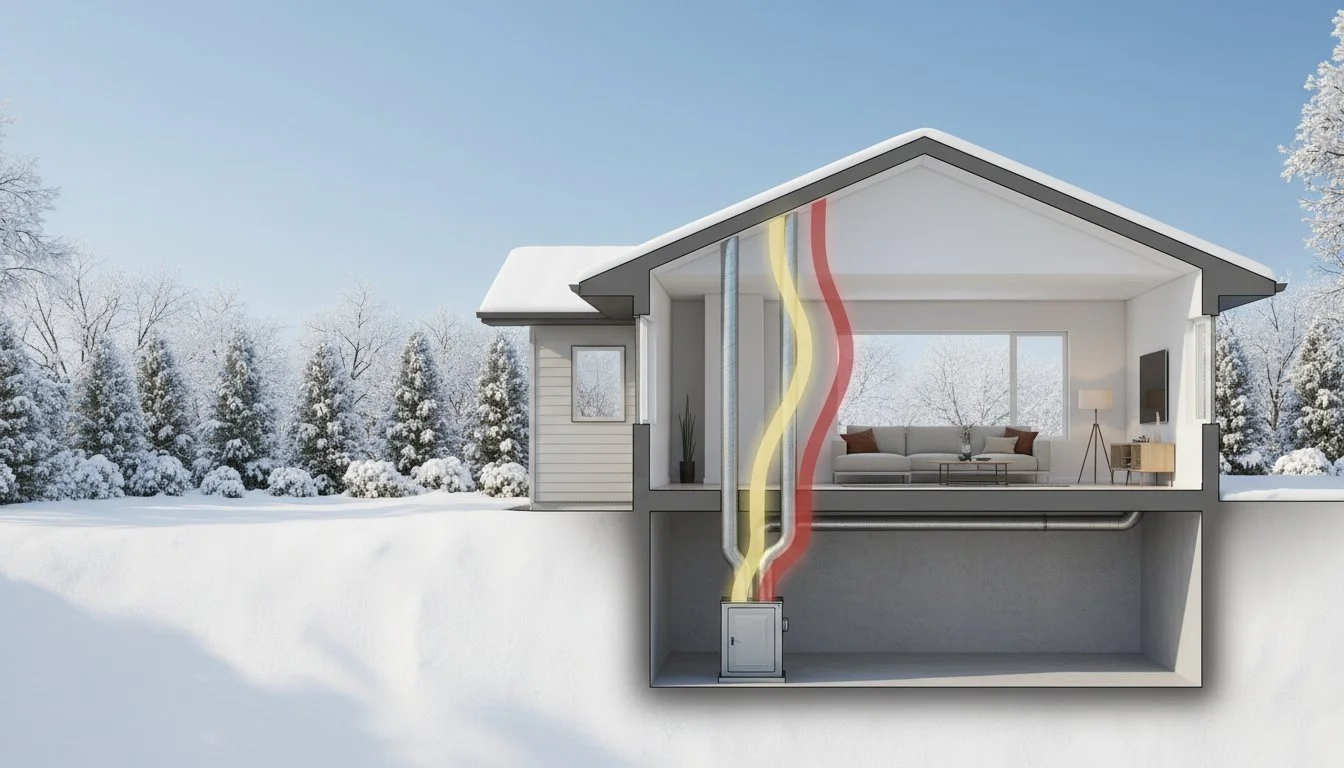
Forced Air Heating System Guide: Performance, Parts, and Pros for MN Homeowners
Did you know that upgrading from an older furnace to a high-efficiency 96% AFUE model can save Twin Cities homeowners between $400 and $800 every year on heating costs? We know how frustrating it is to watch your energy bills climb while you still deal with cold spots or dry indoor air. You want a forced air heating system that works reliably when the North Metro weather turns harsh, and we are here to help you achieve that peace of mind.
This guide provides everything you need to know about how your furnace or heat pump moves air and which components are vital for performance. We'll show you how to improve system efficiency and help you identify the right time to call for expert service. You'll gain a clear understanding of why forced air remains the best infrastructure for total home climate control and how to manage your investment wisely, especially since a typical local replacement now ranges between $3,800 and $12,000 depending on your home's specific needs.
Key Takeaways
Understand how a forced air heating system uses a cycle of return and supply vents to keep your Twin Cities home consistently warm.
Learn why the heat exchanger and ductwork are the most critical components for safe and effective air distribution.
Discover why forced air offers faster heating relief compared to traditional boilers, making it ideal for unpredictable Minnesota winters.
Identify simple maintenance habits, like monthly filter checks, that prevent blower motor strain and extend your equipment's lifespan.
Explore how adding whole-home humidifiers and air purifiers to your existing ducts can solve the problem of dry, dusty indoor air.
What is a Forced Air Heating System and How Does It Work?
A forced air heating system is a distribution network that relies on air as the primary medium to move heat throughout your home. While many people use the terms "furnace" and "forced air" interchangeably, they describe different things. The furnace is the appliance that generates the heat, while the forced air system is the mechanical method that actually delivers that warmth to your bedrooms and living spaces. This Forced-air central heating system setup is the standard for North Metro homes because it offers the fastest temperature recovery during our sub-zero winters. When the outdoor temperature drops 20 degrees in an hour, you need a system that can respond immediately.
The process works in a continuous, pressurized loop. It begins when your thermostat calls for heat, triggering your furnace, heat pump, or even a high-efficiency boiler to warm a heat exchanger. A powerful fan then pulls cooler air from your rooms through return vents. This air passes through a filter, gets warmed by the heat source, and is then pushed back into the house through supply vents. This "push-pull" cycle continues until your home reaches the desired temperature. Because the system moves air directly, it can raise the indoor temperature much faster than radiant baseboards or older radiator setups.
The Mechanism of Air Distribution
The blower motor is the muscle of your forced air heating system. It creates the airflow necessary to overcome the resistance of your ductwork. Before the warmed air travels to individual rooms, it first enters a large distribution box called the plenum. The plenum acts as a pressurized hub, ensuring that air is distributed evenly into the various duct branches. If your plenum is sized incorrectly or your blower motor is failing, you'll notice uneven heating or weak airflow in rooms furthest from the unit. Proper pressure balance is what keeps a Twin Cities home comfortable from the basement to the attic.
Forced Air vs. Central Air: Clearing the Confusion
It's common for homeowners to get confused between forced air and central air. Forced air refers specifically to the heating and distribution method. Central air refers to the cooling system, typically an outdoor condenser and an indoor evaporator coil. In the vast majority of modern Twin Cities HVAC setups, these systems are integrated. They share the same blower motor, the same plenum, and the exact same ductwork. This integration is a major benefit for local homeowners. It allows you to use a single filtration system to improve indoor air quality during both the humid summer months and the bone-dry winter season.
Core Components of a Modern Forced Air Setup
A forced air heating system relies on several specialized parts to keep your home comfortable. While the previous section explained the "push-pull" cycle of air, understanding the hardware helps you spot potential issues before they leave you in the cold. Every component must work in harmony to handle the intense demands of a Minnesota winter. When one part fails, the entire system loses efficiency, leading to higher bills and uneven temperatures.
The heat exchanger is the most critical safety component in your setup. It's a series of metal tubes where fuel is burned to create heat. The air from your home blows over these tubes, absorbing warmth without ever touching the actual combustion gases. If this part cracks, it can leak carbon monoxide into your living space. This is why annual inspections are vital for local families. Next, your ductwork acts as the "veins" of the property. These sealed channels must remain airtight; leaky ducts can cause you to lose up to 30% of your heated air to the attic or crawlspace before it ever reaches your rooms.
Your thermostat acts as the brain of the operation. It signals the system to engage based on real-time temperature data. Modern smart versions can even learn your schedule to reduce energy waste when you aren't home. Finally, air filters serve as the first line of defense. They trap dust, pet dander, and pollen before they can clog the blower motor or enter your lungs. Replacing these every 30 to 90 days is the easiest way to prevent expensive repairs.
The Heating Unit: Furnace vs. Heat Pump
In the North Metro, gas furnaces are the traditional workhorse. They generate high-intensity heat that can maintain a steady 70 degrees even when it's 20 below zero outside. However, many residents are moving toward modern conventional heating systems that incorporate heat pumps. While a heat pump extracts ambient heat from the air, it can struggle in extreme cold. The most efficient solution for our climate is a dual-fuel system. This pairs a high-efficiency heat pump for milder days with a gas furnace that kicks in when the temperature plummets. If you're curious about which setup fits your home, our team offers expert HVAC solutions for every budget.
Distribution Hardware: Vents, Registers, and Returns
Air distribution relies on more than just the furnace. Supply registers are the vents that push air into a room. Their placement is strategic; they're usually located near windows to "wash" the cold glass with warm air. Return grilles are equally important. They pull air back to the furnace to be reheated. You should never block these with furniture or rugs, as this creates a vacuum that strains the blower motor. Inside the ducts, you might find dampers. These metal plates act like valves, allowing you to control the volume of air flowing to different zones of the house for better comfort control.
Best Furnace Brands for Minnesota Homes: 2026 Buyer’s Guide
What if the nameplate on your new heating system matters less than the person holding the wrench? Most North Metro homeowners spend weeks researching the best furnace brands, terrified that a budget choice will lead to a 2 a.m. breakdown during a February polar vortex. It's a valid fear when a mid-winter failure can lead to frozen pipes and total replacement costs that often reach $12,000 in the Twin Cities area.
You deserve a home that stays warm without draining your bank account through spikes in utility bills or constant repairs. This guide clarifies the 2026 landscape by showing you which units thrive in Minnesota's sub-zero climate and how upgrading to a 97% AFUE system can save you $800 annually. We'll compare top-tier manufacturers, explain why federal tax credits ended this year, and highlight the local rebates that can still put $1,000 back in your pocket. You'll also discover why a precision installation is the real secret to a 20-year furnace lifespan and total peace of mind.
Key Takeaways
Compare the top-rated furnace brands for 2026 and see which manufacturers provide the best reliability for cold climates.
Navigate the shift to 95% AFUE efficiency standards and learn how to secure up to $1,000 in local utility rebates.
See why expert installation is more important than the brand name for preventing 90% of common mechanical failures.
Identify which heating systems have the best parts availability in the Twin Cities to avoid long wait times during winter emergencies.
Learn how to choose a system that balances high-efficiency engineering with the specific ductwork needs of North Metro homes.
Top-Rated Furnace Brands for 2026: A Reliability Overview
Choosing between dozens of furnace brands feels daunting when your home's safety depends on it. Most people recognize names like Carrier or Lennox, but the market is actually dominated by a few parent corporations that own multiple labels. While the "Big Three" manufacturers set the pace for innovation, their value-tier subsidiaries often use the same internal components at a lower price point. For a complete list of furnace manufacturers and their corporate families, you can see how brands are grouped globally. In 2026, the real divide between brands isn't just the name; it's the engineering of the heat exchanger and the support of the local supply chain.
Modern reliability is defined by how well a system handles the condensation of high-efficiency heating. Because Minnesota requires a minimum 95% AFUE rating, every new furnace produces acidic liquid during operation. Premium manufacturers now use high-grade stainless steel for secondary heat exchangers to prevent the premature rusting that plagued older models. Warranty structures have also evolved for 2026. While most brands offer a 10-year parts warranty, many now require registration within 60 days of installation to keep that coverage active. Without registration, some manufacturers drop the protection to just five years.
Premium Tier: Carrier, Lennox, and Trane
These brands are the gold standard for North Metro homeowners who prioritize quiet operation and advanced technology. Carrier and Trane lead the industry in proprietary noise reduction, making them ideal if your furnace is located near a bedroom or living area. These systems often include smart diagnostics that alert us to a minor issue before the heat actually stops. While the initial investment is higher, the long-term performance and lower repair frequency often justify the cost over a 15 to 20 year lifespan. Their parts are widely available through local distributors like Minnesota Air, ensuring we can get your heat back on quickly.
Value & Mid-Range: Goodman, Amana, and Rheem
If you're looking for the best value-per-dollar, Goodman has become the top choice for many Twin Cities rentals and starter homes. They offer straightforward designs that are easy to service and repair. Amana, a sister brand to Goodman, differentiates itself with an industry-leading lifetime heat exchanger replacement warranty on select 2026 models. For homes in Blaine or Andover with tight utility closets, Rheem is a favorite because of its compact cabinet design. These mid-range furnace brands provide reliable 96% AFUE performance without the premium price tag of high-end diagnostic features, making them an excellent choice for budget-conscious families.
Comparing Efficiency: AFUE Ratings and Minnesota Winters
In the North Metro, your furnace isn't just an appliance; it's a lifeline. When you're looking at different furnace brands, the AFUE (Annual Fuel Utilization Efficiency) rating is the most important number on the spec sheet. Think of it as your heating system's gas mileage. An 80% AFUE unit wastes 20 cents of every dollar on exhaust. Upgrading to a 96% AFUE system can reduce your annual heating costs by 20% to 35%. For an average Twin Cities home, that translates to a savings of $400 to $800 every single year. You can find a complete list of ENERGY STAR certified furnaces that meet these high standards for cold climates.
The Department of Energy now requires a minimum of 95% AFUE for all new residential gas furnaces in northern states like Minnesota. This means the old "standard" 80% efficiency models are no longer the go-to choice for replacements. Beyond just saving money, these high-efficiency units solve the comfort issues common in older Andover or Blaine homes. Variable-speed blower motors ramp up and down gradually instead of just blasting air. This constant, gentle circulation eliminates the cold spots often found in two-story houses and keeps your indoor air quality consistent.
Single-Stage vs. Two-Stage vs. Modulating Furnaces
Single-stage furnaces operate like a light switch; they're either 100% on or completely off. This often leads to "drafty" feelings as the temperature swings between cycles. Two-stage units are much better for Minnesota because they run on a lower setting for about 80% of our winter days, only kicking into high gear during a deep freeze. Modulating technology is the gold standard for precision. It adjusts in tiny increments to maintain your thermostat setting within half a degree, providing the most stable environment for your family.
Energy Star 2026 Requirements for Cold Climates
As of May 2026, federal tax credits for furnace installations have ended, but local utility incentives remain very strong. For example, CenterPoint Energy currently offers a $1,000 rebate for systems with 97% AFUE or higher. If you're a Minnesota Energy Resources customer, you can secure up to $800 for top-tier models if installed by August 31, 2026. These rebates significantly lower the barrier to entry for premium furnace brands. If you're unsure which unit fits your budget, our team can help you navigate these expert furnace installation options to ensure you maximize your return on investment.
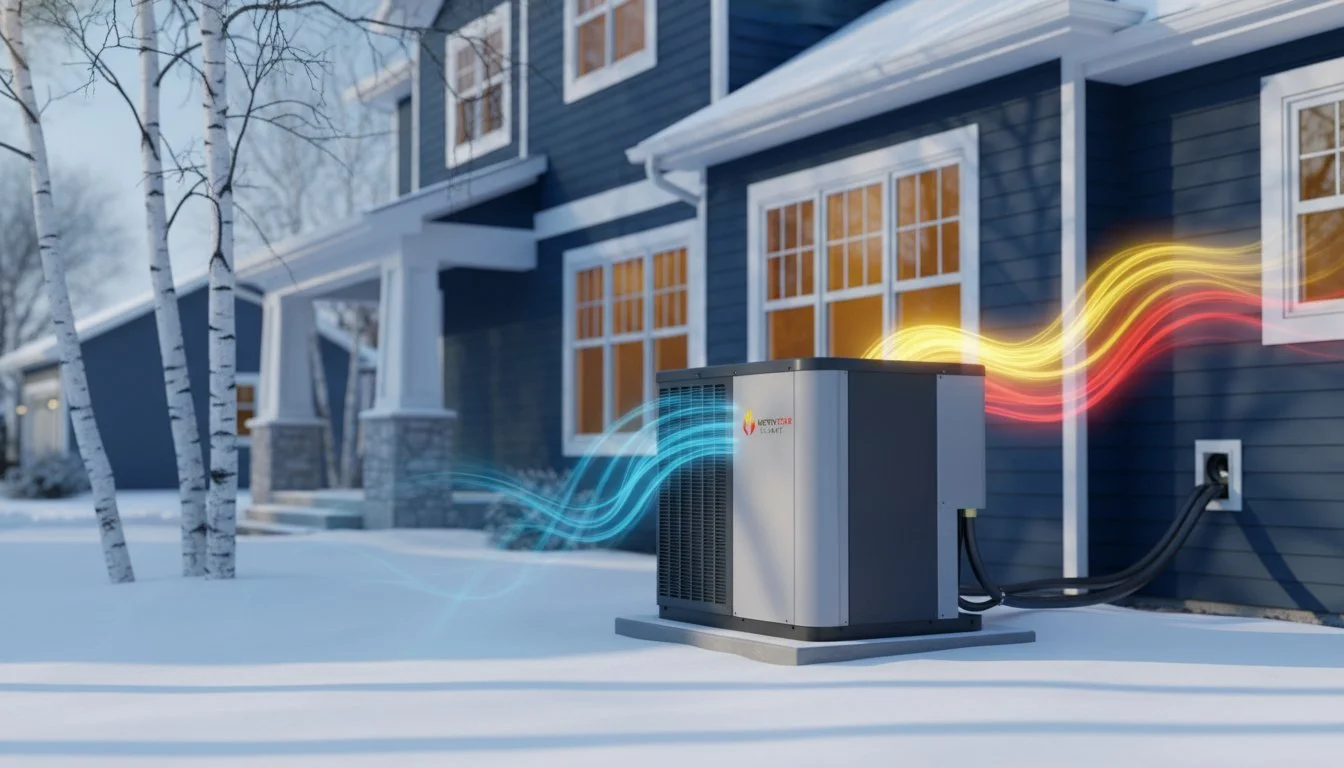
How Does a Heat Pump Work in Winter? A Minnesota Homeowner’s Guide
What if the same sub-zero air that freezes your windshield could actually keep your living room a cozy 72 degrees? It sounds like a tall tale during a North Metro polar vortex, but modern technology makes it possible. Most Twin Cities homeowners look at their rising utility bills, like the 6.8 percent interim gas rate hike from Xcel Energy that started January 1, 2026, and wonder if there is a better way to stay warm without breaking the bank. You likely worry about your system failing during a deep freeze or feel confused by the settings on your thermostat when the temperature drops below zero.
We are here to clear up the confusion and explain exactly how does a heat pump work in winter by harvesting thermal energy from the outside environment. Even at 5 degrees, high-efficiency units can provide 100 percent of their rated heating capacity. This guide will show you the mechanical process of heat transfer and help you decide if a dual-fuel system is the right investment for your home. You will also learn about local savings, including Xcel Energy rebates of up to 2,600 dollars, and discover the essential maintenance steps to keep your unit running through heavy snow.
Key Takeaways
Learn why even 0°F air contains usable thermal energy and how modern systems transport this heat into your home rather than creating it.
Discover the step-by-step mechanical process of how does a heat pump work in winter to concentrate outdoor warmth through evaporation and compression.
Understand the "switchover point" and how a dual-fuel setup uses a gas furnace to maintain comfort during extreme Twin Cities cold snaps.
Identify normal defrost cycle behaviors, such as steam and humming, so you can distinguish between routine ice removal and a system failure.
Master the "set it and forget it" rule for smart thermostats to prevent triggering expensive backup heat and maximize your seasonal efficiency.
The Physics of Heat Transfer: How Heat Pumps 'Find' Warmth in the Cold
Most homeowners in the Twin Cities think of heating as a process of creation. You burn natural gas in a furnace or run electricity through a coil to make heat. A heat pump changes this narrative entirely. It does not create heat; it captures and moves it. To understand how does a heat pump work in winter, you have to look at the physics of heat transfer. Heat is present in all matter until you reach absolute zero, which is roughly -460°F. Even on a January morning in the North Metro when it is 0°F outside, there is still a massive amount of thermal energy available in the air. A heat pump acts like a magnet for those molecules, pulling them in to keep your home comfortable.
Think of the system as a refrigerator operating in reverse. A fridge takes the warmth from inside the insulated box and pushes it out into your kitchen. A heat pump does the exact same thing but flips the direction. It extracts the heat from the freezing Minnesota air and pumps it into your ductwork. Because the system is moving existing heat rather than burning fuel to create it, the efficiency levels are remarkably high. Modern cold-climate units can deliver four units of heat for every one unit of electricity they consume.
Moving Heat vs. Making Heat
The efficiency gains of a heat pump come from the fact that it uses electricity to power a compressor rather than to generate a flame. In a traditional furnace, you are limited by the energy content of the fuel. You can't get more heat out of a therm of gas than what is physically there. Heat pumps break this rule by using energy only to "transport" warmth. This process relies on a reversing valve, a clever component that switches the flow of refrigerant. In the summer, it moves heat out of your house. In the winter, it reverses that flow to bring warmth in. This transition allows one system to provide year-round comfort for your family while significantly lowering your carbon footprint.
The Role of Refrigerant in Sub-Zero Temps
You might wonder how a machine can find warmth when the air feels biting cold. The secret is the refrigerant. Modern refrigerants are engineered with boiling points far below 0°F. For example, some common refrigerants boil at -50°F or lower. When this super-chilled liquid enters the outdoor evaporator coil, it is much colder than the 10°F or 20°F Minnesota air. Because heat naturally moves from a warmer area to a cooler one, the "warm" outside air transfers its energy into the refrigerant, causing it to evaporate into a gas. Refrigerant is the essential medium that enables thermal exchange regardless of the outdoor temperature. Once the gas is loaded with this captured heat, the compressor squeezes it, which concentrates the energy and raises its temperature high enough to warm your home.
Inside the Cycle: The 4 Stages of Winter Heat Pump Operation
Understanding the mechanical journey of refrigerant helps demystify how does a heat pump work in winter. While the physics of heat transfer explains the potential for warmth in cold air, the refrigeration cycle provides the functional steps to move that energy. This process happens in a continuous loop, moving through four distinct stages to ensure your Twin Cities home stays warm even when the mercury drops. It's a precise dance of pressure and temperature changes that allows the system to outperform traditional electric or gas heaters in mild to moderate cold.
Step 1: The Evaporation Stage - The cycle begins at the outdoor unit. Even in a North Metro January, the liquid refrigerant inside the coils is kept at a temperature much lower than the outside air. As the outdoor fan pulls air across these coils, the refrigerant absorbs the available thermal energy and evaporates into a low-pressure gas.
Step 2: The Compression Stage - This is where the mechanical work happens. The low-pressure gas travels to the compressor, which squeezes the molecules together. This rapid increase in pressure causes the temperature of the gas to spike, turning it into a high-heat vapor.
Step 3: The Condensation Stage - The hot gas moves to the indoor coil located in your air handler. As your home's air blows across the coil, it "steals" the heat from the refrigerant. This warms your living space while causing the refrigerant to cool down and condense back into a liquid.
Step 4: The Expansion Stage - Before the refrigerant returns outside, it passes through an expansion valve. This component suddenly drops the pressure, which flash-cools the liquid to sub-zero temperatures, resetting the system to start the cycle over again.
The Compressor: The Heart of the System
The compressor is the primary energy consumer in your HVAC system, and its job is vital. You can visualize this process by thinking of a bicycle pump. When you pump air into a tire quickly, the nozzle gets hot because you are concentrating energy into a smaller space. Modern cold-climate heat pumps often use variable-speed compressors. These are essential for the North Metro climate because they can ramp up or down based on the exact heating demand. This prevents the "all or nothing" blast of older systems and keeps your indoor temperature steady. If you notice your unit struggling to keep up, you might need a professional heat pump repair to ensure the compressor is functioning at peak efficiency.
The Indoor Air Handler Connection
Once the heat is concentrated, the indoor air handler takes over. A blower motor pushes your home's air over the hot indoor coils, distributing comfort to every room through your ductwork. This is the perfect time to consider your Indoor Air Quality solutions. Since the air handler is already moving air throughout the house, adding a high-efficiency filter or purifier ensures the air you breathe is as clean as it is warm. Many homeowners choose dual-fuel or hybrid systems to pair this air handling capability with a backup furnace for those rare days when Minnesota temperatures drop well below the heat pump's optimal range.
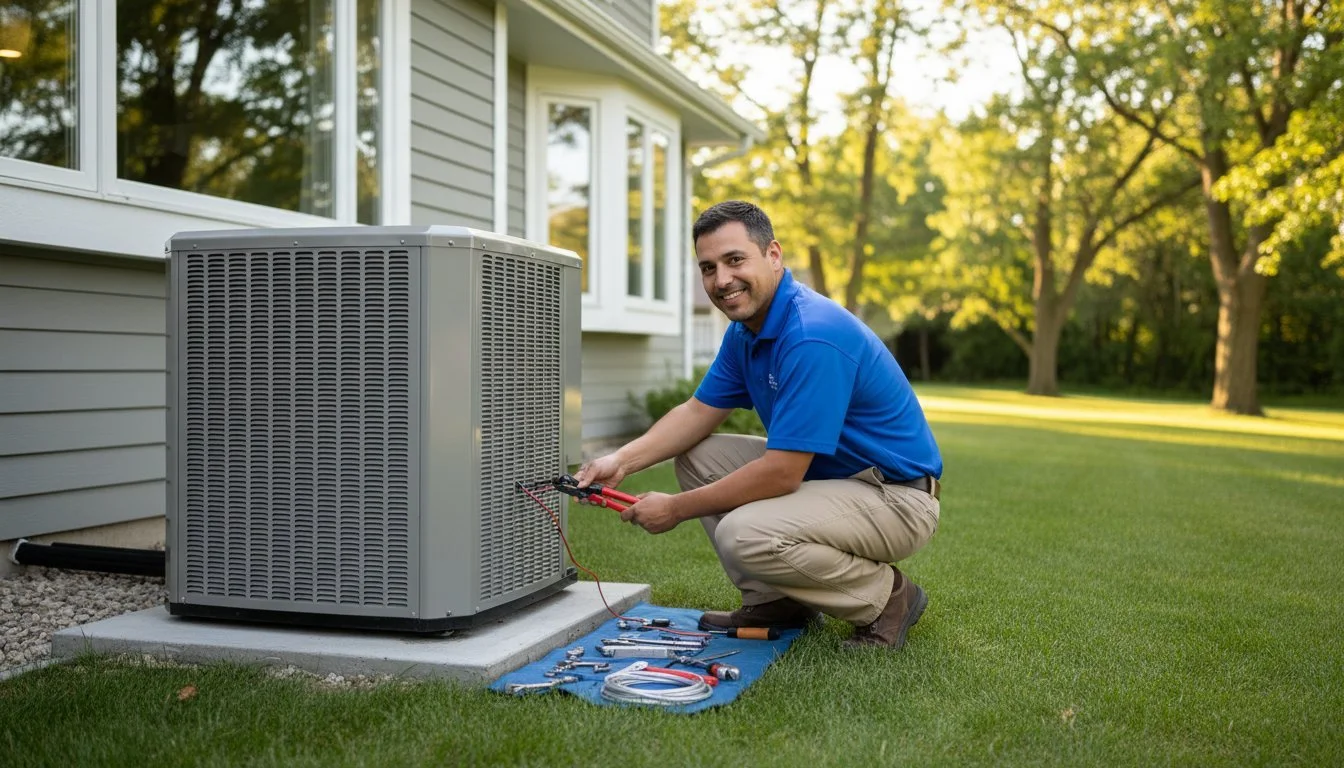
Professional AC Replacement in the Twin Cities: A Homeowner’s 2026 Guide
What if your attempt to save money by patching up an aging unit is actually costing you an extra $600 every year in utility spikes and emergency service calls? We know that for many families in the North Metro, the decision to invest in an ac replacement feels like a high-stakes gamble. You're likely dealing with uneven cooling in your multi-level home or watching your monthly bills climb alongside the June humidity. It's natural to worry about being overcharged for equipment that exceeds your actual needs.
This guide is designed to replace that uncertainty with clear, local expertise. You'll learn how to navigate the 2026 transition to R-32 refrigerants, how to claim up to $2,000 in federal tax credits for qualifying high-efficiency systems, and what to expect regarding local permit fees. We will walk you through the latest SEER2 efficiency standards and show you how to maximize rebates from eligible providers like Xcel Energy to ensure your Twin Cities home stays comfortable for the long haul.
Key Takeaways
Learn how to evaluate your current unit's age and repair history against the 12-15 year Minnesota average to determine the best time for an upgrade.
Discover how to maximize your 2026 budget by utilizing federal tax credits and local utility rebates from Xcel and CenterPoint Energy.
Understand the step-by-step process of a professional ac replacement, including precise cooling load calculations for your specific home layout.
Avoid common sizing myths that lead to high humidity and short-cycling in multi-level Twin Cities homes.
See how C&M Heating and Air leverages 40 years of North Metro expertise to provide reliable, community-focused HVAC solutions.
Deciding Between AC Repair and Replacement in the North Metro
Deciding between a quick fix and a full ac replacement is a common dilemma for Twin Cities homeowners. While a standard air conditioner in Minnesota typically lasts between 12 and 15 years, our harsh seasonal swings can accelerate wear on outdoor components. If your system was installed before 2015, it likely operates on a SEER rating that is now considered obsolete under the 2026 SEER2 requirements of 13.4. Older units simply don't have the mechanical precision to meet modern efficiency expectations.
Terminal failures often make the choice for you. A compressor burnout or a major evaporator coil leak in a unit older than 10 years rarely justifies the repair expense. This is especially true given the 2026 industry shift. As of January 1, 2025, the EPA phased out R-410A refrigerant in new residential systems. Moving to a modern unit using R-32 or R-454B refrigerants ensures your home remains compliant with environmental standards while offering better cooling performance. This transition has led to a 9% to 16% price increase industry-wide as manufacturers redesign product lines. Understanding the basics of Heating, ventilation, and air conditioning (HVAC) helps in seeing why these technical transitions matter for your long-term comfort. Investing now avoids the "repair trap" where you spend hundreds on a system that will soon be obsolete.
The 5,000 Rule vs. Local Reality
Many technicians use the 5,000 rule as a baseline. You multiply the age of the unit by the cost of the repair. If the total exceeds $5,000, a full ac replacement is usually the smarter financial move. In the North Metro, we have to consider more than just the sticker price. Our high summer humidity forces older, inefficient systems to work twice as hard to pull moisture from the air. A unit that "limps along" might technically cool your home, but it does so by running longer cycles that inflate your monthly Xcel or CenterPoint bills by 20% or more compared to a high-efficiency SEER2 model.
Signs Your AC is Costing You More Than a Replacement
Your utility bill is the most honest indicator of system health. If your energy costs have risen steadily over the last three summers despite similar weather patterns, your components are likely failing. Watch for these specific red flags:
Frequent short-cycling: The unit turns on and off every few minutes. This wears out the motor and fails to dehumidify your living space.
Excessive noise: Grinding or squealing sounds often point to a failing blower motor or a struggling compressor.
Performance gaps: If your AC can't maintain a steady 72 degrees when Twin Cities temperatures hit 90, the system is no longer sized or powered correctly for your needs.
What to Expect During Your AC ReplacementProcess
A professional ac replacement involves a series of technical steps that ensure your home stays cool without spiking your energy bills. It's more than just swapping out a metal box. It starts with a detailed site evaluation where we analyze your home's unique footprint. We check insulation levels in your attic, the integrity of your ductwork, and consider IAQ add-ons like whole-home air purifiers that work alongside your new cooling system. This thorough approach ensures your new equipment isn't just new; it's optimized for your specific living space.
The Pre-Installation Load Calculation
Andover and Blaine homes often feature diverse layouts, from vaulted ceilings to finished basements. This makes a "Manual J" load calculation essential. This industry-standard formula accounts for window orientation, local shade cover, and even the number of occupants in your home. Getting this right is vital for your indoor air quality. An oversized unit will cool the air too quickly without removing humidity, leading to a clammy environment. A correctly sized system, however, qualifies for the Energy Efficient Home Improvement Credit, which can provide up to $600 for high-efficiency central air units.
Day of Installation: A Step-by-Step Breakdown
On the day of your installation, our team begins by protecting your floors and preparing the outdoor pad. We remove your old equipment following strict EPA guidelines for refrigerant recovery. This is a critical step that DIY-focused guides often overlook. Once the old unit is gone, we install the new condenser and evaporator coil. We often integrate these new units with your existing furnace or air handler to ensure seamless communication between systems. Our technicians pay close attention to the seals and connections to prevent future leaks.
The final phase includes precision testing. We charge the system with the new R-32 or R-454B refrigerant and verify that the airflow meets the manufacturer's specifications. We also integrate your new smart thermostat, showing you how to use its features to maximize comfort. If you are ready to upgrade, you can schedule a free estimate for your AC installation with our local team. This professional process ensures your system carries a long warranty and operates at peak performance from day one. By the time we leave, your home will be cool, quiet, and significantly more efficient.
Expert AC Installer Near Me: Your Guide to Cooling in the Twin Cities (2026)
The most expensive air conditioner on the market will still fail you if the installation isn't handled with precision. When you're searching for a reliable ac installer near me, you aren't just buying a metal box for your backyard; you're investing in the 80% of the system's performance that comes down to local expertise. We understand the anxiety of facing a $4,458 average replacement cost while worrying about high energy bills and the humid Minnesota summers. It's stressful to navigate the 2026 shift to R-32 refrigerants and complex SEER2 ratings when you just want your home to stay cool without the fear of hiring a "cowboy" contractor.
We promise to help you cut through the confusion and find a contractor who treats your home like their own. This guide provides everything you need to secure a perfectly sized system and take advantage of federal tax credits worth up to $2,000. We will explore how to vet local professionals, maximize your 12 to 18 year system lifespan, and ensure your installation is clean, professional, and built to last.
Key Takeaways
Learn why local accountability is the most critical factor in choosing a professional to handle the unique humidity levels of a Twin Cities summer.
Use our expert vetting checklist to distinguish between high-pressure salesmen and the technical experts who actually perform the work.
Understand the essential steps of a professional installation, including precision site measurements and the safe recovery of phased-out refrigerants.
Discover how a qualified ac installer near me can help you claim up to $2,000 in federal tax credits and significant local utility rebates available in 2026.
Find out how working with a family-owned business with over 40 years of North Metro experience ensures long-term system reliability and support.
Why Finding a Local AC Installer Near You Matters in the North Metro
Choosing an ac installer near me is about more than just finding the closest office on a map. It's about securing a partner who understands the specific architectural styles and climate demands of the Twin Cities. A local AC installer is a licensed mechanical professional specializing in residential cooling systems and regional ventilation codes. While national chains might treat your home like a number on a spreadsheet, a community based expert relies on their local reputation. They know that a poor installation in Blaine or Coon Rapids will be talked about at the local grocery store. This local accountability ensures they don't just "hook up a machine" but instead focus on precise HVAC system design to guarantee long term performance.
During a typical Minnesota heatwave, temperatures often spike into the 90s while dew points reach the mid-70s. You need a rapid response from someone who can be at your door in hours, not days. Unlike out of state contractors, local technicians are familiar with the 12 to 18 year lifespan expectations for units in our region. They won't vanish after the invoice is paid. They live in your neighborhoods and understand that a cooling failure in July is a true emergency for your family's comfort and safety.
The Impact of Minnesota’s Humidity on AC Sizing
Twin Cities homes face significant latent heat challenges. If an installer oversizes your unit, it might cool the air quickly but leave the house feeling clammy because it didn't run long enough to remove moisture. Expert installers in the North Metro calculate specific humidity loads to ensure your indoor air quality remains high. They adjust system specs so your home stays crisp and dry during those heavy July afternoons, preventing the mold and mildew growth that often follows poor ventilation.
Navigating Local Building Codes in Anoka and Ramsey Counties
Every city has its own rules. Whether you live in Andover, Blaine, or Coon Rapids, your project requires a mechanical permit which typically costs between $84.20 and $216.60. A professional ac installer near me handles these filings to ensure your system meets the 2024 Minnesota Residential Energy Code updates. This includes mandatory duct leakage testing and air tightness requirements. Hiring an unlicensed contractor who ignores these codes puts your $25,000 mechanical bond protection at risk and could lead to safety hazards or future insurance denials.
Key Criteria for Vetting an Air Conditioning Installation Company
Finding an ac installer near me is easy, but finding one you can trust requires a specific strategy. You need to distinguish between a salesman and a technical expert. Many large national retailers send "comfort consultants" whose primary job is to close a deal. These individuals often use high pressure tactics and generic templates. A true technician, however, will spend time in your basement and attic. They check your ductwork capacity and measure your home's square footage to ensure the system actually fits your needs. Before you sign anything, use this interview checklist:
Physical Presence: Do they have a real office in the Twin Cities, or is it just a PO box?
NATE Certification: Are the people actually doing the work North American Technician Excellence certified?
Full Transparency: Will they provide a written quote that includes permit fees and equipment removal?
Local History: How long have they served the North Metro? Companies with 40 years of experience aren't going to disappear when you need warranty work.
A "low ball" quote often indicates that the contractor is cutting corners on these essentials. If you want a clear picture of your current system's health, you can request a free estimate from a technician who understands local home builds.
Licensing and Insurance Requirements for MN Contractors
Minnesota doesn't issue a state level HVAC license, which makes vetting even more important. Instead, mechanical contractors must file a $25,000 bond with the Department of Labor and Industry. This bond protects you if the work isn't completed or doesn't meet code. Never hire someone who can't prove they're bonded and insured. Cheap labor often lacks workers' compensation. If a worker gets injured on your property without it, you could be liable for their medical bills. Always ask for a current certificate of insurance before the first tool touches your floor.
Reading Between the Lines of Local Reviews and Referrals
Don't just look at the star rating. Read the stories from neighbors in Elk River, Ham Lake, or Ramsey. Look for mentions of "clean workspaces" and "on-time arrivals." Authentic reviews often name the specific technician who performed the work. In the North Metro, word of mouth remains the gold standard. A neighborly reputation built over decades is much harder to fake than a few months of expensive digital ads. Focus on companies that have been part of the community fabric since the 1980s or 1990s.
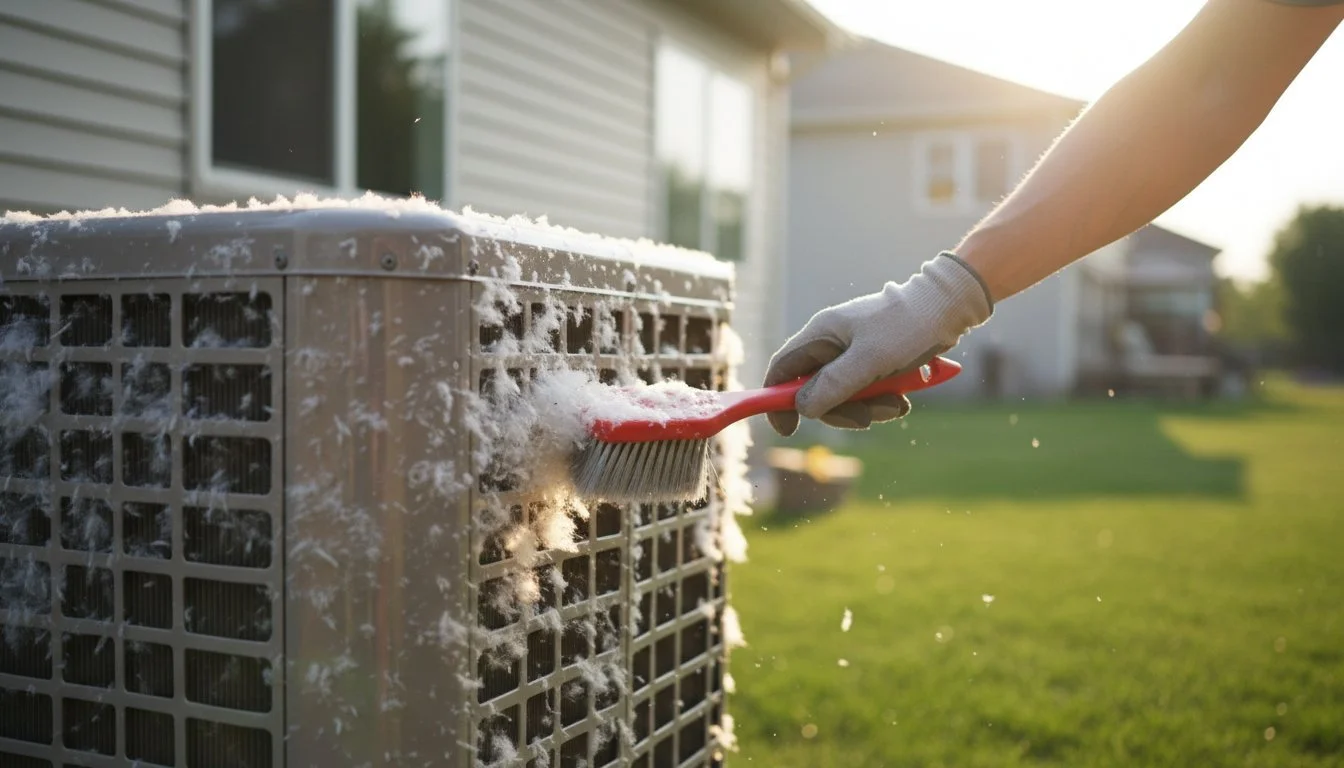
How to Clean Condenser Coils: A DIY Guide for Brooklyn Park Homeowners
Last June, Brooklyn Park homeowners watched as a "summer snow" of cottonwood seeds blanketed the North Metro, turning efficient AC units into struggling, energy-hungry machines. It's frustrating to watch your monthly energy bills climb while your air conditioner runs constantly without actually cooling your home. You're probably searching for how to clean condenser coils yourself to save the $75 to $200 average cost of a professional service, but you want to make sure you don't break anything in the process.
At C&M Heating and Air, we believe in empowering our neighbors with the right knowledge to maintain their comfort. This guide provides a safe, step-by-step method to clear out Minnesota debris and boost your home's cooling efficiency during our humid summers. We'll walk you through the essential tools and specific techniques needed to protect your equipment and ensure a reliable, cost-effective cooling season for your family.
Key Takeaways
Safety is the first priority; learn how to properly shut off power at the disconnect box and clear a two-foot buffer zone around your outdoor unit.
Discover the safe, step-by-step method for how to clean condenser coils using basic household tools like a garden hose and a soft brush.
Protect your equipment by avoiding high-pressure washers and acidic chemicals that can permanently damage delicate aluminum fins.
Improve your home's cooling efficiency and lower energy bills by removing the "summer snow" of cottonwood seeds common in the North Metro.
Identify when dirt is trapped too deep for a DIY fix and requires an expert tune-up to protect your compressor's health.
What Are Condenser Coils and Why Do They Clog in Brooklyn Park?
Your outdoor AC unit isn't just a fan; it's a critical heat exchanger. Inside that metal cabinet sits a network of copper tubes and aluminum fins known as the condenser coils. Understanding how condenser coils work is the first step toward better home maintenance. These coils act like a car's radiator, releasing the heat collected from inside your house into the outdoor air. When these coils are clean, heat escapes easily. When they're dirty, your system enters a state of constant mechanical stress.
Research shows that even a thin layer of dust on these coils can increase your energy costs by 30%. This happens because dirt acts as an insulator, creating what technicians call the "blanket effect." Instead of the heat moving into the air, it stays trapped in the refrigerant. This forces the compressor to run hotter and work significantly harder to reach your thermostat's target temperature. For many families in the North Metro, this inefficiency is the primary reason for those shocking July utility bills that seem to climb every year.
The Role of Coils in Your Cooling Cycle
Clean fins are the only way for your refrigerant to shed heat effectively. If airflow is blocked by debris, the system can't finish its cooling cycle properly. This often leads to "short-cycling," where the AC turns on and off rapidly without ever truly cooling the home. This constant starting and stopping wears out the motor and is a leading cause of mid-summer breakdowns. Learning how to clean condenser coils is the most effective way to prevent this unnecessary wear and tear and extend the life of your equipment.
The Minnesota Factor: Cottonwood and Dust
Homeowners in Brooklyn Park and Blaine face a specific seasonal enemy: cottonwood seeds. Every June, these white, fluffy seeds fill the air and get sucked directly into the intake of AC units. Our high Minnesota humidity then acts like glue, binding the seeds with dust, pollen, and lawn clippings to create a thick, felt-like mat on the aluminum fins. This debris doesn't just sit on the surface; it wedges deep into the gaps between the fins. If you mow your lawn and blow clippings toward the unit, you're adding another layer of insulation that prevents cooling. Regular cleaning is the only way to break this cycle and keep your Twin Cities home comfortable when the heat index climbs.
Essential Tools and Safety for DIY Coil Cleaning
Safety is the most important part of learning how to clean condenser coils. Before you touch any tools, you must understand that your air conditioner is a high-voltage appliance. Simply turning off your thermostat inside the house isn't enough. Power still flows to the outdoor unit even when the AC isn't running. You need to cut the electricity at the source to ensure you stay safe while working near electrical components and wet surfaces.
Critical Safety: Killing the Power
Every modern AC installation in the Twin Cities includes an outdoor disconnect box. This is usually a small metal box mounted on the siding of your home right next to the condenser. Open the lid and look for a large T-shaped handle or a heavy-duty toggle switch. If it's a pull-out handle, grasp it firmly and pull it straight out of the socket. If it's a switch, flip it to the "off" position. This physically breaks the circuit. After you've pulled the disconnect, wait five minutes before starting your work to allow the electrical capacitors inside the unit to fully discharge their stored energy.
Your DIY Cleaning Kit Checklist
You don't need a professional's truck to get the job done, but you do need the right specific items. The U.S. Department of Energy recommends maintaining your air conditioner annually to preserve efficiency, and having these tools ready makes the process seamless. Your basic kit should include a standard screwdriver to remove the protective grille, a soft-bristled brush, and a garden hose with a spray nozzle. Never use a pressure washer; the high-velocity stream will instantly flatten the delicate aluminum fins, causing permanent damage that requires a professional air conditioning repair to fix.
Consider these additional items for a more thorough clean:
Shop-Vac: Use this with a brush attachment to remove dry cottonwood seeds and grass before you get them wet.
Fin Comb: This $10 tool helps you straighten any bent aluminum fins to restore proper airflow.
Foaming Coil Cleaner: Choose an alkaline-based, non-acidic "no-rinse" foam for the best results on stubborn grime.
Protective gear is non-negotiable. Wear work gloves to protect your hands from the sharp edges of the aluminum fins, which can cause deep cuts. Eye protection is also essential, especially if you use a foaming chemical cleaner. Even a small breeze can blow spray back into your face, and these chemicals are designed to be caustic enough to eat through grease. Once you have your safety gear and tools ready, you'll find that knowing how to clean condenser coils is a straightforward process that pays off in lower energy bills.
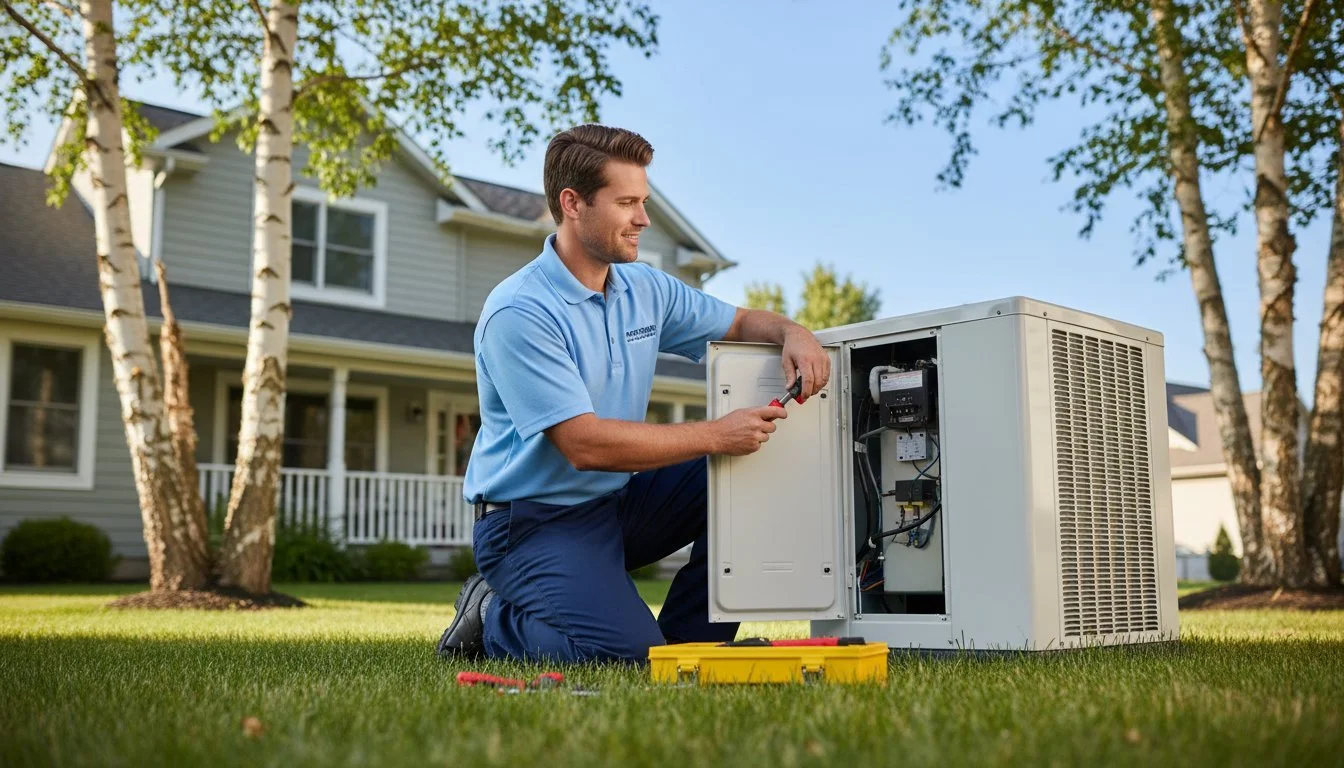
Heating and Cooling Near Me: Choosing the Best North Metro HVAC Experts
With the average HVAC replacement cost hitting $7,500 in 2026, choosing the wrong contractor isn't just a headache; it's a multi-thousand dollar mistake. When you search for heating and cooling near me, you're often met with a wall of national franchises that prioritize corporate quotas over neighborly quality. It's stressful to wonder if the technician at your door is actually EPA Section 608 certified for the new R-454B refrigerants or if they're just trying to upsell you on a $22,000 ductwork overhaul you don't actually need.
We understand that your home's comfort shouldn't feel like a gamble, especially now that the 25C tax credits expired back on December 31, 2025. You deserve a local partner who treats your North Metro home like their own. This guide will show you how to find a reliable, family-owned expert who offers transparent pricing and free estimates. We'll also cover why 40 years of Minnesota-specific experience outperforms big-box brands and how to secure fast, expert repairs before the next Twin Cities temperature spike hits your neighborhood.
Key Takeaways
Learn why local proximity in the North Metro ensures faster emergency response times and strict adherence to Anoka and Ramsey county building codes.
Discover the five essential criteria for choosing heating and cooling near me, including how to verify Minnesota-specific mechanical licensing and credentials.
Save on unnecessary service fees by following a simple pre-call checklist to troubleshoot your thermostat and air filters before booking a technician.
Find out how a "service-first" philosophy protects your budget by prioritizing reliable repairs and long-term maintenance over aggressive sales tactics.
Why Proximity Matters: Finding Heating and Cooling Near Me in the North Metro
When your furnace fails during a January cold snap, every minute counts. Searching for heating and cooling near me isn't just about convenience; it's about survival in the North Metro. Local proximity ensures that a technician can reach your doorstep in hours rather than days. Unlike national franchises with dispatch centers in different time zones, a family-owned Twin Cities business understands that a broken boiler in Ramsey County is a true emergency. These local experts have a deep understanding of Heating, ventilation, and air conditioning (HVAC) systems specifically designed to handle the 100-degree temperature swings we experience annually.
Choosing a local partner also means supporting the regional economy. When you hire a neighbor, your investment stays within the North Metro, helping local families and businesses thrive. There's a level of direct accountability you simply won't find with a distant corporate board. Local owners are part of the community; their reputation is built on every service call in their own backyard. This neighborly approach ensures you get honest advice and reliable repairs rather than high-pressure sales tactics designed to meet national quotas.
The Impact of Minnesota Climate on HVAC Systems
Minnesota weather is brutal on mechanical equipment. High-efficiency furnaces in Blaine and Coon Rapids don't just provide comfort; they must be rated for sub-zero North Metro winters where temperatures regularly drop below -20°F. Local technicians recognize the specific humidity challenges of our region. They often recommend solutions like whole-home humidifiers to combat the bone-dry air of February or air purifiers to handle the heavy pollen counts of a Minnesota spring. These experts know which systems can withstand heavy frost and which are built to survive the humid, 90-degree days of July.
Defining "Near Me" in the Twin Cities
For C&M Heating and Air, "near me" means a dedicated focus on the North Metro, stretching from Andover to White Bear Lake. We maintain a strict 30-mile service radius because it allows us to prioritize quality over quantity. Our technicians live in the same communities they serve. They're your neighbors at the grocery store and the local hockey rink. This proximity translates to faster response times and a better understanding of specific building codes in Anoka and Ramsey counties. We ensure every installation is safe, legal, and engineered for our specific geography.
5 Essential Criteria for Choosing a Local HVAC Partner
Finding the right professional when searching for heating and cooling near me requires more than just picking the first name on a digital map. Your HVAC system is the most expensive appliance in your home; it's also the most critical for safety during a Minnesota winter. To ensure you receive quality service without the "franchise tax," you need a set of non-negotiable standards. These criteria help you distinguish between a high-pressure sales company and a dedicated local service provider.
A primary indicator of reliability is a proven track record within the North Metro. C&M Heating and Air was founded in 1984, providing 42 years of continuous service to the Twin Cities. This longevity suggests a business that stands by its work and maintains long-term relationships with homeowners. You should also look for a provider that offers a full spectrum of solutions, from boiler repair and heat pump installation to air purifiers. A comprehensive approach ensures that your technician understands how different components interact to maintain good indoor air qualitythroughout every season.
Transparency is another vital pillar. Reliable contractors provide free estimates and upfront pricing through programs like the "C&M Specials" to lower the barrier for essential maintenance. Family-owned businesses often provide a superior experience because they utilize non-commissioned technicians. This means the person in your basement is focused on the best technical solution for your furnace or AC, not on hitting a monthly sales quota. If you're ready to experience this neighborly approach, you can consult with our trusted local HVAC expertstoday.
Licensing and Local Certifications
Minnesota has strict requirements for mechanical contractors. You must verify that your partner carries the necessary Minnesota mechanical bonds and insurance. These legal protections ensure that if an accident occurs on your property, you aren't held liable for damages or injuries. For complex tasks like heat pump repairs or ductless mini-split installations, prioritize NATE-certified technicians. This industry-standard certification proves the technician has mastered the technical nuances of modern high-efficiency systems. Proper local licensing is the only way to guarantee that your installation meets the safety standards required by your specific municipality.
Reputation in the North Metro Community
In close-knit suburbs like Elk River or Ham Lake, word-of-mouth remains the most powerful trust signal. Look for reviews from your actual neighbors rather than generic testimonials on a national corporate site. Local homeowners often share specific details about response times during local weather events or how a technician handled a unique basement layout common in North Metro architecture. A company that has thrived since 1984 has survived decades of Minnesota winters by doing right by the community, one service call at a time.
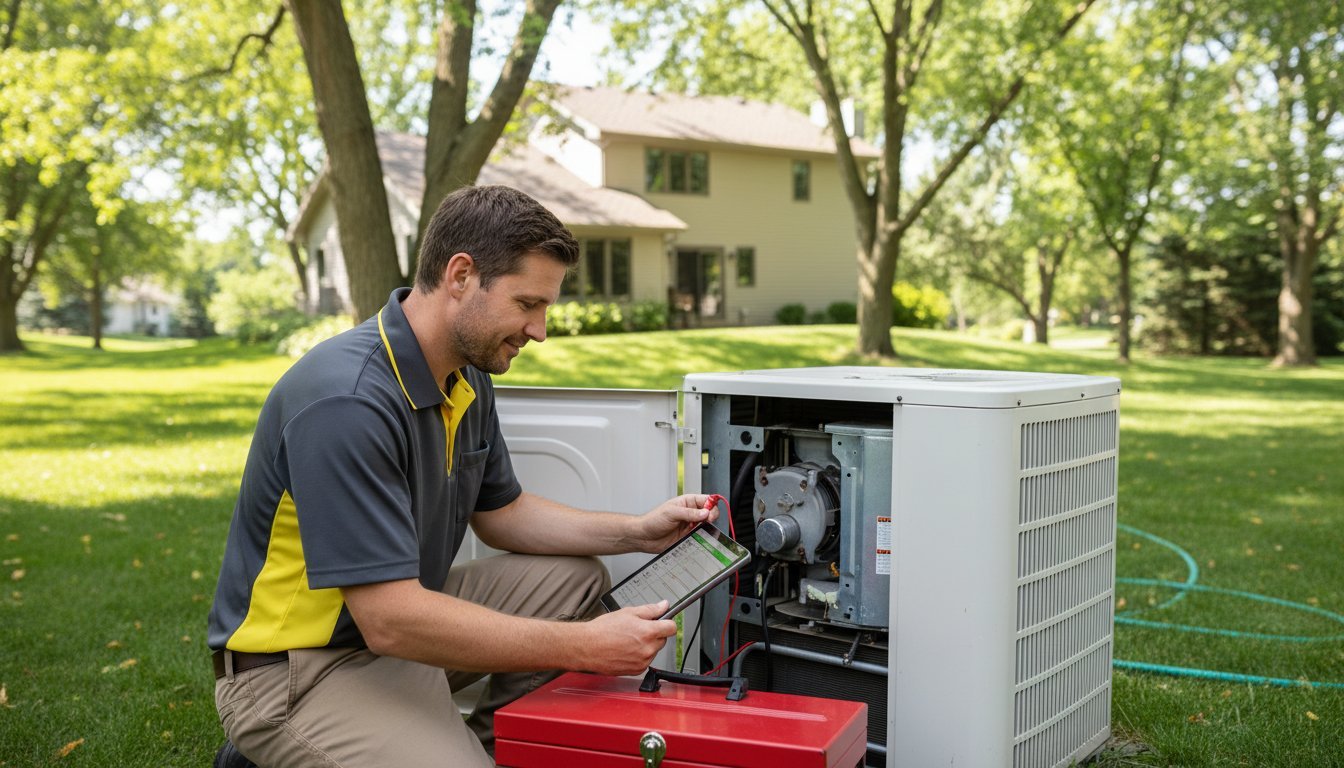
The Ultimate AC Tune-Up Checklist for North Metro MN Homeowners
Is your annual ac tune up a critical professional stress test or just an expensive cleaning service? Many North Metro homeowners wonder if paying between $49 and $139.95 for a maintenance visit actually makes a difference when the July humidity hits. It's a fair question, especially when you're already managing an average residential electricity rate of 17¢/kWh and want to ensure your system survives the summer without a costly emergency.
We agree that you deserve total transparency about what happens to your HVAC equipment. You shouldn't have to worry about your cooling failing during a heatwave or wonder if a technician is just going through the motions. This guide breaks down the technical reality of preventative care, showing you how proper maintenance helps you qualify for federal tax credits up to $2,000 and protects your home as the industry transitions away from R-410A refrigerant in 2026. We will walk through a comprehensive checklist, explain how to lower your monthly utility bills, and provide the peace of mind you need to enjoy a comfortable Twin Cities summer.
Key Takeaways
Understand why a professional ac tune up is a multi-point diagnostic service that goes far beyond a simple garden hose rinse to prevent catastrophic summer failures.
Discover the specific technical checklist our experts use to inspect critical components like capacitors and contactors before they leave you stranded in a heatwave.
Learn how local environmental factors, such as the North Metro's "cottonwood crisis," can drastically reduce your system's efficiency if not properly addressed.
See how consistent annual care can extend the lifespan of your cooling system from a mere 12 years to upwards of 20 years.
Compare the modest cost of preventative maintenance against the high price of emergency after-hours repairs in the Twin Cities.
Is an AC Tune-Up Worth It? Debunking the 'Money Grab' Myth
If you spend any time on local Reddit threads, you'll see a heated debate about whether a professional ac tune up is actually necessary. Some users claim it's a "money grab" and suggest you can do it yourself with a garden hose. While keeping your outdoor unit clear of debris is helpful, a professional service is a comprehensive diagnostic and cleaning process that a homeowner simply cannot replicate without specialized tools. Professional technicians use calibrated gauges to check the subcooling and superheat of your system; these measurements tell us if the internal components are under stress before they actually break.
A technician checks the "invisible" health markers of your system. This includes testing the starting capacitor for electrical pitting and checking refrigerant levels. With the 2026 phase-out of R-410A systems already underway, catching a small leak now is vital. If your system loses refrigerant, the cost of topping it off will only rise as the supply of older refrigerants tightens. An expert ac tune up ensures your system is sealed and ready for the humidity of a Twin Cities August.
Tune-Up vs. Repair: Understanding the Difference
Proactive maintenance is about staying ahead of the curve. In the North Metro, we see families waiting until a 95-degree day to call for help, which usually results in an expensive emergency repair. Preventing a compressor failure through annual care is roughly 10x cheaper than replacing the entire component. Major brands like Carrier or Trane often include fine print stating that parts coverage is contingent on documented service. Most manufacturers require proof of annual maintenance to keep your warranty valid; without it, you could be stuck paying full price for a part that should've been covered.
The Reality of Energy Efficiency in Minnesota
A dirty system works 20% harder to cool a home in Coon Rapids or Andover. This extra effort shows up directly as higher amperage draw on your monthly Xcel Energy or CenterPoint bill. When dust and debris clog your coils, your system runs longer cycles to reach the temperature set on your thermostat. A 10% drop in airflow can lead to a 30% increase in energy consumption. By ensuring your system moves air freely, you protect your wallet and your equipment from unnecessary stress. We keep detailed service records for our neighbors to ensure they never lose out on their investment due to a technicality.
The 21-Point AC Tune-Up Checklist: What a Pro Should Actually Do
When you schedule a professional ac tune up, you are paying for more than a quick look at your equipment. A truly comprehensive service is a technical audit of every moving part and electrical connection in your system. We start by cleaning the condenser coils. These coils are responsible for releasing heat from your home into the outside air. If they are coated in North Metro dust or grass clippings, heat transfer fails; your system then runs longer and hotter to compensate. This leads to higher bills and eventual component failure.
Our technicians also test the starting capacitor and contactor for signs of electrical pitting. Think of these as the spark plugs of your air conditioner. If the capacitor is weak, your compressor will struggle to start, causing a massive surge in electricity that can blow fuses or damage the motor. We also measure refrigerant "subcooling" and "superheat." These technical readings tell us if your system has the exact amount of refrigerant needed for optimal cycle performance. If these levels are even slightly off, your AC will lose its ability to dehumidify your Ramsey or Blaine home effectively.
Safety is a major part of the process too. We clear the condensate drain line to prevent basement flooding and mold growth. A clogged drain can back up quickly, leading to water damage that costs thousands to repair. Finally, we calibrate your thermostat. Ensuring your thermostat accurately reads the temperature in your living room prevents the system from overworking or leaving you in a hot spot during a July heatwave.
The Electrical and Mechanical Deep Dive
Mechanical reliability depends on the details. We check the blower motor amperage and voltage against the manufacturer’s original specifications to ensure the motor isn't drawing too much power. Our experts lubricate all moving parts to reduce friction and heat buildup, which are the primary enemies of mechanical longevity. We also tighten every electrical connection. Loose wires can cause "arcing," a dangerous situation where electricity jumps between points, creating a fire hazard and potentially frying your system's control board. If you want to ensure your system is safe and efficient, you can schedule a professional maintenance visit with our local team.
Airflow and Filtration Assessment
Airflow is the lifeblood of your HVAC system. We inspect the evaporator coil for dust and debris buildup that can restrict air movement and cause the system to freeze up. Our technicians check the blower motor belt and assembly for any signs of fraying or wear. A snapped belt on a Saturday afternoon is a common cause for emergency calls. We also evaluate your ductwork for visible leaks. Many homes in the Twin Cities lose a significant amount of cooling to attics or crawlspaces because of disconnected or leaky ducts. Ensuring that every cubic foot of cold air actually reaches your bedroom is the ultimate goal of a professional ac tune up.
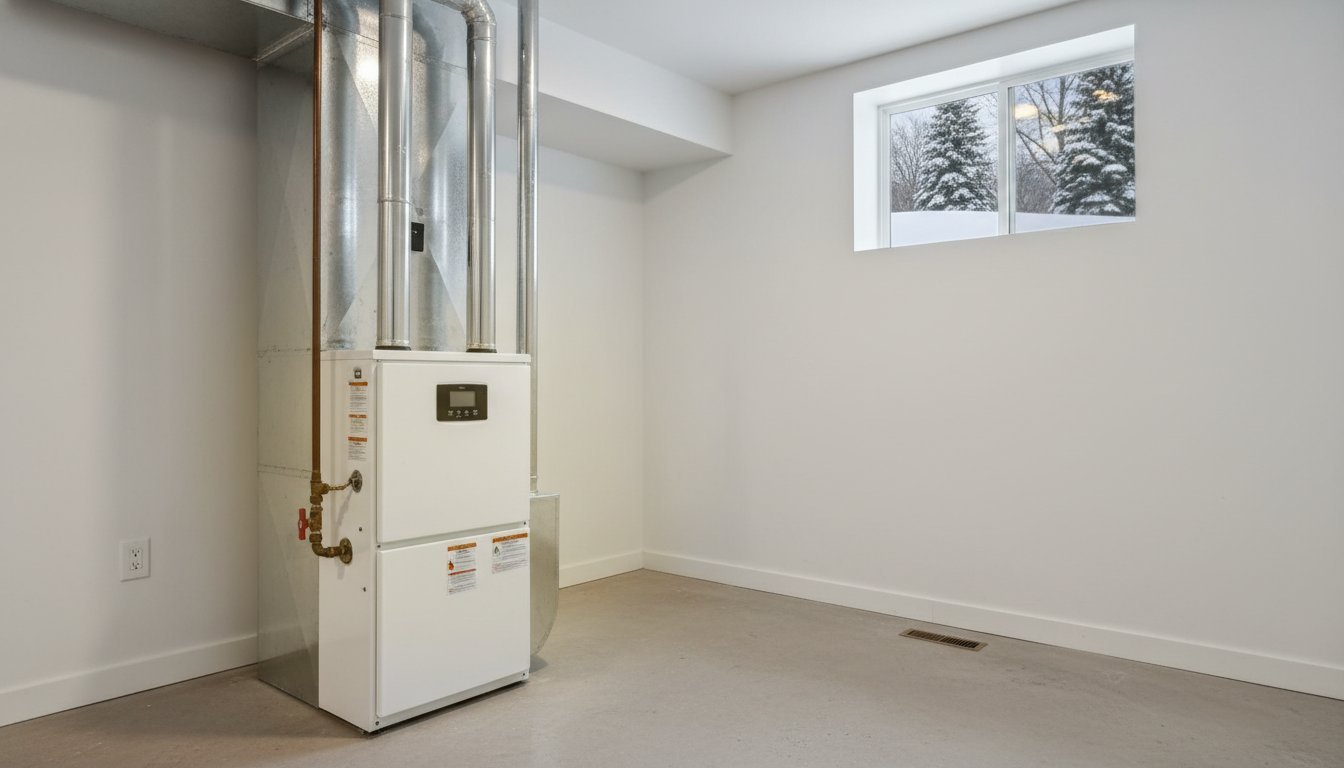
Furnace Replacement Near Me: A Homeowner’s Guide for the North Metro & Twin Cities
In the Twin Cities, a furnace isn't just a basic home appliance; it's survival gear that stands between your family and a -30°F winter night. When your current unit starts making strange noises or failing to keep up, searching for furnace replacement near me becomes an urgent priority to ensure your home remains a safe haven. We know the North Metro climate is unforgiving, and the fear of a total system failure during a blizzard is a weight no homeowner should have to carry.
This guide simplifies the process by showing you how to navigate the $3,800 to $12,000 typical cost for a new installation in our region. You'll discover how a new 96% AFUE system can slash your heating costs by 20% to 35%, potentially saving you over $800 every year. We'll walk through the 2026 CenterPoint Energy rebates that offer up to $1,000 for residential replacements and explain why local expertise is the most important factor in your home's long-term comfort and safety.
Key Takeaways
Recognize the critical warning signs and the 15 to 20 year threshold that signal it is time to upgrade your system before a mid-winter emergency.
Learn why a 95% AFUE rating or higher is the essential standard for efficiency and comfort in the extreme North Metro climate.
Discover how to maximize 2026 utility rebates from CenterPoint and Xcel Energy to significantly reduce the cost of your furnace replacement near me.
Get a clear walkthrough of the professional installation process to prepare your home in Elk River, Princeton, or the Twin Cities for a hassle-free experience.
Understand the long-term value of choosing a local, family-owned expert with deep roots in the community to ensure a reliable warranty and expert calibration.
When to Schedule a Furnace Replacement in the North Metro
In the North Metro, your furnace works significantly harder than systems in milder climates. While national home improvement sites often claim a furnace lasts up to 30 years, that timeline doesn't account for the brutal workload of a Twin Cities winter. For local homeowners, the "Golden Years" for a heating system typically fall between 15 and 20 years. Once your unit passes the 15-year mark, internal components like the blower motor and inducer fan begin to wear down from near-constant operation during our sub-zero stretches.
Pay close attention to the sounds coming from your basement. A loud "bang" when the burners ignite or a persistent high-pitched "whistle" are more than just annoyances. These sounds often indicate a cracked heat exchanger or a struggling motor. If you notice your monthly gas bills climbing despite similar weather patterns, your system's AFUE (Annual Fuel Utilization Efficiency) rating has likely dropped. Older units often operate at 60% to 80% efficiency, meaning 20 cents of every dollar you spend is wasted. Modern systems reach up to 98% efficiency, providing an immediate return on investment. If you find yourself scheduling frequent repairs in Andover or Blaine, the "50% rule" applies: if a single repair costs half as much as a new unit, it's time to search for a furnace replacement near me to avoid throwing money at a failing machine.
The Risk of the "Red-Tag" in Minnesota
A "red-tag" is a technician's official notice that your furnace is unsafe to operate. In older Coon Rapids homes, this usually happens when we discover a cracked heat exchanger that could leak carbon monoxide into your living space. Safety is our primary concern, and a red-tag means the gas must be shut off immediately. Proactive replacement allows you to choose a new system on your own terms rather than being forced into an emergency install during a mid-winter blizzard when your family's safety is at stake.
Performance Gaps in Extreme Cold
When temperatures in Ramsey or Elk River drop below zero, an aging furnace often struggles to maintain a consistent temperature. You might notice "cold spots" in certain rooms or a system that runs constantly without ever reaching the thermostat setting. Older different types of furnaces lack the sophisticated variable-speed technology found in modern units. Upgrading to a high-efficiency system ensures your home stays warm even during a polar vortex, providing steady airflow that eliminates drafts and improves overall indoor air quality.
Choosing the Right Furnace Type for Your MN Home
Selecting the right system is the most critical decision you'll make during a furnace replacement near me. In the Twin Cities, we strongly recommend a minimum of 95% AFUE. This rating measures how efficiently a furnace converts fuel into heat. A 95% unit only loses 5% of its energy, whereas older units might lose up to 40%. Because natural gas powers 66% of Minnesota homes, staying with gas is usually the most cost-effective choice. Electric furnaces are available, but they can cost up to $8,500 per season to operate in our climate, making them impractical for most North Metro properties.
You also have to decide on the heating "stage." Single-stage furnaces are the most affordable but operate at full blast whenever they're on. This creates hot and cold spots throughout your home. Two-stage units offer a "low" setting for the 80% of the season that isn't sub-zero. For the ultimate comfort, modulating furnaces adjust their heat output in 1% increments. When you pair a modulating unit with a variable speed blower, you get consistent warmth and better indoor air quality. These blowers run at lower speeds to constantly circulate air through your filtration system without the noise of a standard fan. If you're unsure which technology fits your home, you can request a free estimate to see the best options for a furnace replacement near me.
The Importance of a Manual J Load Calculation
We never guess the size of your furnace based on square footage alone. A Manual J Load Calculation is the industry-standard for precise HVAC sizing. This calculation accounts for the specific insulation levels and window quality of your Anoka home. If a system is too large, it will "short-cycle," turning on and off too frequently. This wears out components and prevents your home from reaching a steady temperature. A correctly sized unit runs longer, more efficient cycles that protect your investment.
Hybrid Heating: Furnaces and Heat Pumps
Dual-fuel or hybrid systems are gaining popularity in East Bethel and Ham Lake. These systems pair an electric heat pump with a high-efficiency gas furnace. The heat pump handles the heating during the fall and spring, while the gas furnace takes over when temperatures plummet. This setup allows you to potentially access the Energy Efficient Home Improvement Credit for the heat pump component, even though federal credits for standalone furnaces expired at the end of 2025. It's a smart way to lower your carbon footprint without sacrificing safety during a polar vortex.
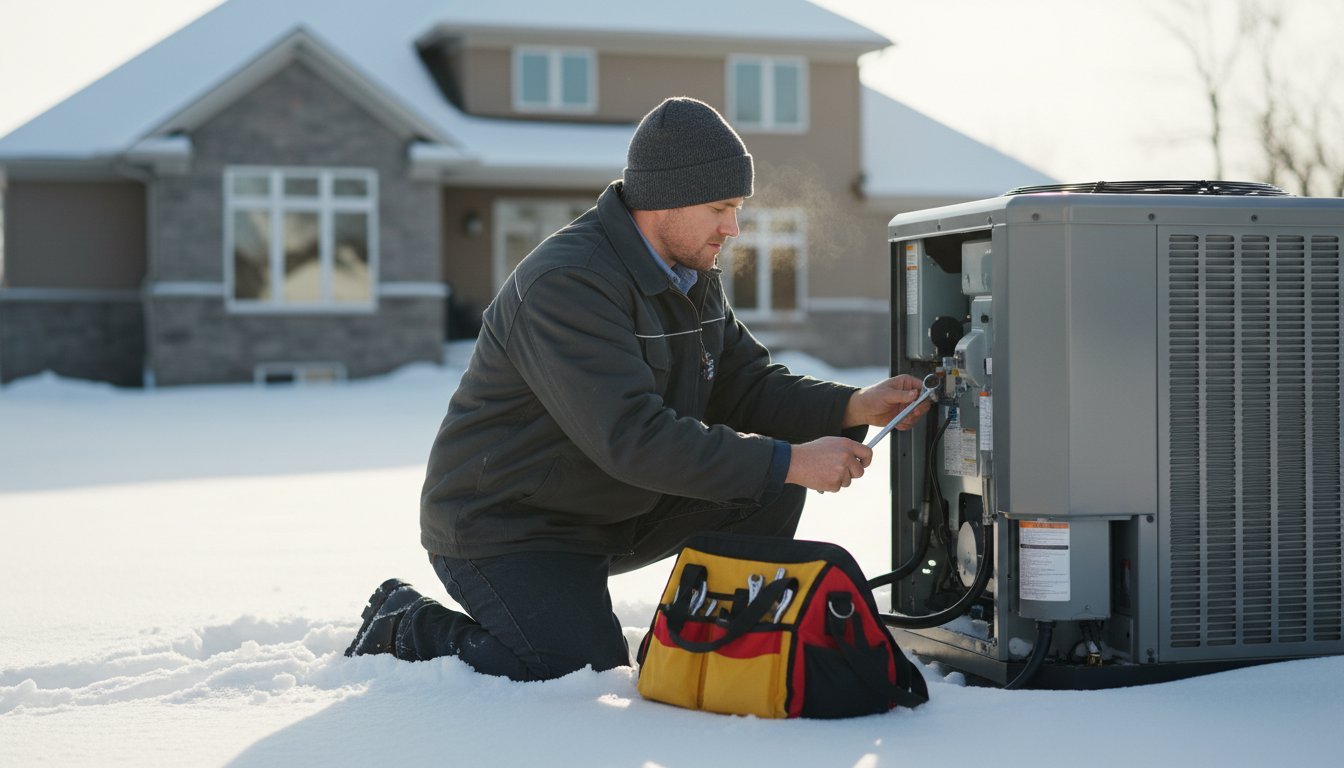
Expert HVAC Repair Near Me: Trusted North Metro & Twin Cities Service
When the mercury drops to -15 degrees on a Tuesday in January, the last thing any North Metro homeowner wants to hear is the silence of a failed furnace. Searching for hvac repair near meduring a sub-zero emergency often leads to a stressful list of contractors who might not show up or will surprise you with a bill that exceeds the Minneapolis average of $367. You're right to be wary of unreliable service and skyrocketing labor costs, which can account for up to 90% of your total repair bill. It's frustrating to feel like you're at the mercy of a technician's schedule while your home's temperature plummets.
At C&M Heating and Air, we understand that a mechanical failure is more than an inconvenience; it's a threat to your family's comfort. Since 1984, our family-owned team has served the Twin Cities with a focus on honesty and technical authority. This article will show you how to find long-term reliability through our expert solutions and transparent pricing models. You'll learn how we navigate local building codes and help you secure up to $600 in federal energy credits for your furnace repairs. We'll also explain why our deep roots in the North Metro make us the dependable neighbors you can trust when the weather is at its worst.
Key Takeaways
Understand why local proximity in the North Metro is the most critical factor for fast response times during a mechanical emergency.
Learn how a thorough diagnostic process identifies specific system failures without the pressure of an immediate, high-cost replacement.
Discover the specific benefits of choosing a family-owned expert for hvac repair near me over a distant corporate entity.
Find out how to leverage "C&M Specials" and free estimates to secure transparent pricing and long-term system reliability.
See the simple three-step method for scheduling service in Andover, Blaine, and throughout Anoka County to restore your home comfort quickly.
Finding Reliable HVAC Repair in the Twin Cities & North Metro
Professional Heating, ventilation, and air conditioning (HVAC) repair is much more than a simple mechanical fix. It's a comprehensive diagnostic and restoration service designed to return your home to a state of total comfort and safety. When you search for hvac repair near me, you're looking for a technician who doesn't just treat the symptoms but understands the root cause of the failure. Since our founding in 1984, C&M Heating and Air has focused on providing these expert solutions to our neighbors. Our deep community presence means we aren't just a service provider; we're a local pillar with over 40 years of experience navigating the specific mechanical codes and climate challenges unique to Minnesota.
Why "Near Me" Matters for Emergency HVAC Service
Proximity is your greatest asset when a mechanical crisis strikes. During a heavy Minnesota snowstorm, travel times to areas like Andover, Ramsey, and Blaine can become unpredictable and dangerous. A local team based right here in the North Metro can navigate these conditions far more effectively than a distant corporate entity. Our technicians possess an intimate knowledge of local neighborhoods, which speeds up our response times and simplifies parts sourcing. We know which regional suppliers carry the specific components needed for Twin Cities homes, ensuring we don't waste time waiting for shipments. This neighborly accessibility provides a level of peace of mind that only a local expert can offer.
Common HVAC Systems in Minnesota Homes
The extreme temperature swings in the Twin Cities require versatile and high-performing equipment. Our team is trained to service a broad range of systems, including natural gas furnaces, central air conditioners, heat pumps, and traditional boilers. We've also noted a significant rise in ductless mini-split systems, especially in newer Minnesota home additions or finished basements. These systems require a specialized touch to maintain their efficiency in our sub-zero winters. While every unit is different, the typical lifespan of a MN furnace ranges from 15 to 30 years, provided it receives regular professional care. Whether you're looking for a quick fix or a long-term reliability plan, finding a trusted expert for hvac repair near meensures your specific system gets the technical attention it needs to survive another season.
Expert Heating & Cooling Diagnostics for Every Season
Effective diagnostics are the foundation of any successful mechanical restoration. When you call for hvac repair near me, our technicians follow a rigorous multi point inspection process that aligns with the standards set by the Air Conditioning Contractors of America. We don't just look at the broken component; we analyze the entire system to see how airflow, electrical connections, and thermostat calibrations interact. Our team uses modern tools like digital manifolds for precise refrigerant readings and thermal imaging cameras to spot heat exchanger cracks that the naked eye might miss. This technical precision ensures we identify the root cause immediately, preventing the same issue from resurfacing a month later.
Mechanical health and indoor air quality are deeply connected. A clogged air filter or a leaking duct system doesn't just make your home dusty; it forces your blower motor to work 20% harder, leading to premature failure. During every diagnostic visit, we evaluate these environmental factors to ensure your system isn't fighting against its own infrastructure. If you've noticed a sudden spike in your energy bills or an increase in household allergies, it's often a sign that your system is struggling. You can schedule a professional inspection to catch these minor efficiency drains before they turn into expensive emergency repairs.
The biggest fear most homeowners have is being pressured into an unnecessary $7,860 system replacement. At C&M Heating and Air, our neighborly approach means we prioritize repair whenever it's safe and cost effective. We provide a clear breakdown of the findings and explain the "why" behind every recommendation. If a repair costs more than 50% of the value of a new unit, we'll discuss your options honestly, but the final decision always stays with you. Our goal is to restore your comfort, not to meet a sales quota.
Furnace and Boiler Repair Signs
Winter in the North Metro puts immense stress on heating systems. Common red flags include whistling noises, frequent cycling, or persistent cold spots in specific rooms. Many older homes in the Twin Cities rely on boilers, which require specialized hydronic expertise that standard furnace technicians often lack. We also specialize in heat pump repair, which is critical during the "shoulder seasons" of spring and fall when these systems provide high efficiency heating before the deep freeze sets in.
Air Conditioning and Cooling Troubleshooting
When the Twin Cities humidity climbs in July, your AC has to work double time to dehumidify and cool your space. Symptoms of failure often include frozen evaporator coils, refrigerant leaks, or warm air blowing from the vents. Modern smart thermostats can often pinpoint these repair needs by tracking run times and temperature differentials before a total breakdown occurs. Addressing a small refrigerant leak early can save you from the high cost of a compressor failure later in the summer.
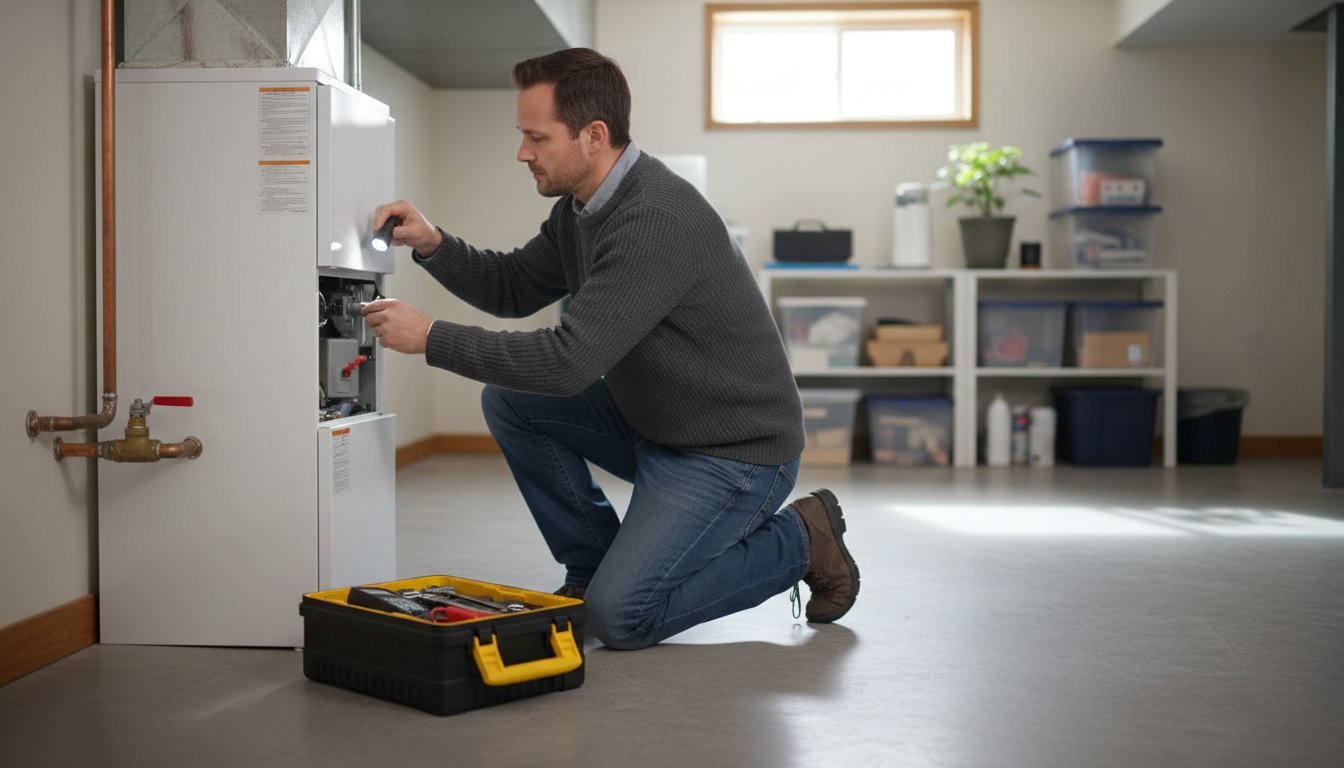
Furnace Repair Near Me: The North Metro & Twin Cities MN Homeowner’s Guide (2026
On a Tuesday night in mid-January, the temperature in the North Metro can easily drop to -20 degrees within a matter of hours. You wake up at 3:00 AM to a chilling silence and realize your vents are blowing cold air right as the thermostat hits 58 degrees. It's in these high-stakes moments that most homeowners start a frantic search for furnace repair near me, hoping for a fast solution before the pipes freeze. We understand the anxiety that comes with a sudden heating failure, especially when you're worried about expensive emergency fees or complex jargon you don't understand.
This guide is designed to give you peace of mind by showing you how to identify furnace warning signs and troubleshoot basic issues safely on your own. You'll learn how to evaluate if a repair is the right financial move or if it's time to consider a more efficient replacement for your Twin Cities home. We've outlined everything you need to know to find a reliable, family-owned specialist who can restore your comfort quickly. From checking your pilot light to understanding professional diagnostic reports, you're about to become an expert on your own home heating system.
Key Takeaways
Understand why the harsh Minnesota climate puts extra strain on your heating system and how to prevent mid-winter breakdowns.
Learn to identify the seven critical warning signs, including unusual noises and odors, that signal your system needs professional attention.
Master simple DIY troubleshooting steps like the "Thermostat First" rule while knowing exactly when to prioritize safety over savings.
Discover how to find the most reliable furnace repair near me by looking for NATE-certified technicians and proper local licensing in the Twin Cities.
Gain peace of mind by learning what to expect from a "service-first" provider with over 40 years of experience in the North Metro area.
Understanding Furnace Failure in the North Metro Climate
Furnace repair is the professional diagnosis and restoration of a home heating system. When you search for furnace repair near me during a Minnesota January, you aren't just looking for comfort; you're looking for a safety solution. Our regional climate demands significantly more from a heating system than almost any other part of the country. While a furnace in a milder state might run for a few hours a day, a North Metro unit often operates for 18 to 22 hours daily during peak winter months.
Consistent heating plays a vital role in protecting your home's infrastructure. In Anoka County, a furnace failure during a polar vortex can lead to frozen pipes in as little as 6 to 8 hours. When indoor temperatures drop below 50 degrees, the risk of water lines bursting in exterior walls increases by 40%. This makes a reliable heating system the first line of defense against catastrophic water damage.
Extreme cold cycles accelerate wear and tear on every mechanical component. When temperatures drop to -10°F or lower, the constant expansion and contraction of metal parts can lead to stress fractures. This cycle of intense heat followed by rapid cooling is a primary cause of premature equipment failure in the Twin Cities.
The Anatomy of a Minnesota Heating System
Understanding Furnace Failure starts with the three core components: the burners, the heat exchanger, and the blower motor. The burners ignite the fuel, the heat exchanger transfers that heat to your air, and the blower motor pushes that warm air through your vents. In the Twin Cities, AFUE (Annual Fuel Utilization Efficiency) ratings are critical. We typically see 95% to 97% AFUE systems because they waste less than 5% of the fuel they consume. Most local homes use forced air, though older neighborhoods often feature boilers or modern heat pumps with electric backups.
Common Winter Stressors for MN Furnaces
Heavy snow presents a unique challenge for homeowners in East Bethel and surrounding areas. Drifting snow can block high-efficiency intake and exhaust vents, which triggers an automatic safety shutdown. Beyond snow, the shift between high summer humidity and bone-dry winter air affects sensitive flame sensors. This dryness often leads to "short-cycling," where the furnace turns on and off rapidly. This happens because the system struggles to maintain a steady temperature against the 50-degree difference between your living room and the outdoors. If you notice these patterns, searching for furnace repair near me can help identify if a sensor or a more complex mechanical part is failing.
7 Warning Signs Your Furnace Needs Immediate Professional Attention
Identifying a failing heating system early saves Twin Cities homeowners from a mid-winter emergency. If you find yourself searching for furnace repair near me, it's likely because your unit is already communicating through sound, smell, or performance gaps. Mechanical issues rarely fix themselves; they simply get more expensive the longer you wait. Recognizing these seven red flags can be the difference between a simple part replacement and a full system overhaul.
Unusual Noises: Banging sounds often indicate delayed ignition, while screeching usually points to a failing blower motor belt.
Strange Odors: A dusty smell during the first frost of 2026 is normal, but a metallic, ozone, or sulfur scent requires an immediate shutdown.
Inconsistent Heat: If your Shoreview living room is 72 degrees while the bedroom sits at 64, your blower or ductwork is struggling to distribute air.
Yellow Burner Flames: A healthy furnace flame is crisp blue. A yellow or flickering flame signals incomplete combustion and potential carbon monoxide production.
Energy Bill Spikes: A 15% to 25% increase in North Metro utility costs without a corresponding drop in temperature suggests your system's efficiency has plummeted.
Visual and Auditory Red Flags
Homeowners should safely check the furnace burner through the viewing window once a month. If the flame isn't steady and blue, it's a sign of a dirty burner or a cracked heat exchanger. When homeowners in the North Metro search for furnace repair near me, they are often reacting to "short-cycling," which is when the unit turns on and off every 3 to 5 minutes. This rapid cycling puts immense strain on the motor and wastes fuel. A whistling sound is another red flag, often indicating that your ductwork is restricted or your filter is dangerously clogged. Understanding How to Choose the Best Furnace Repairinvolves recognizing these early warnings before they lead to a total system breakdown.
The "Invisible" Signs: IAQ and Health
Poor indoor air quality (IAQ) is a subtle indicator of furnace struggle. If you notice a 30% increase in dust on your furniture or family members report dry, itchy skin, your system isn't filtering or humidifying properly. These issues directly impact your respiratory comfort, especially during the peak of a Minnesota winter when windows remain sealed. Carbon monoxide is a silent threat, so you must place detectors within 10 feet of every sleeping area to catch leaks that your furnace might be producing. If your sensors go off or your furnace is acting up, don't hesitate to contact a trusted local technician for a safety inspection
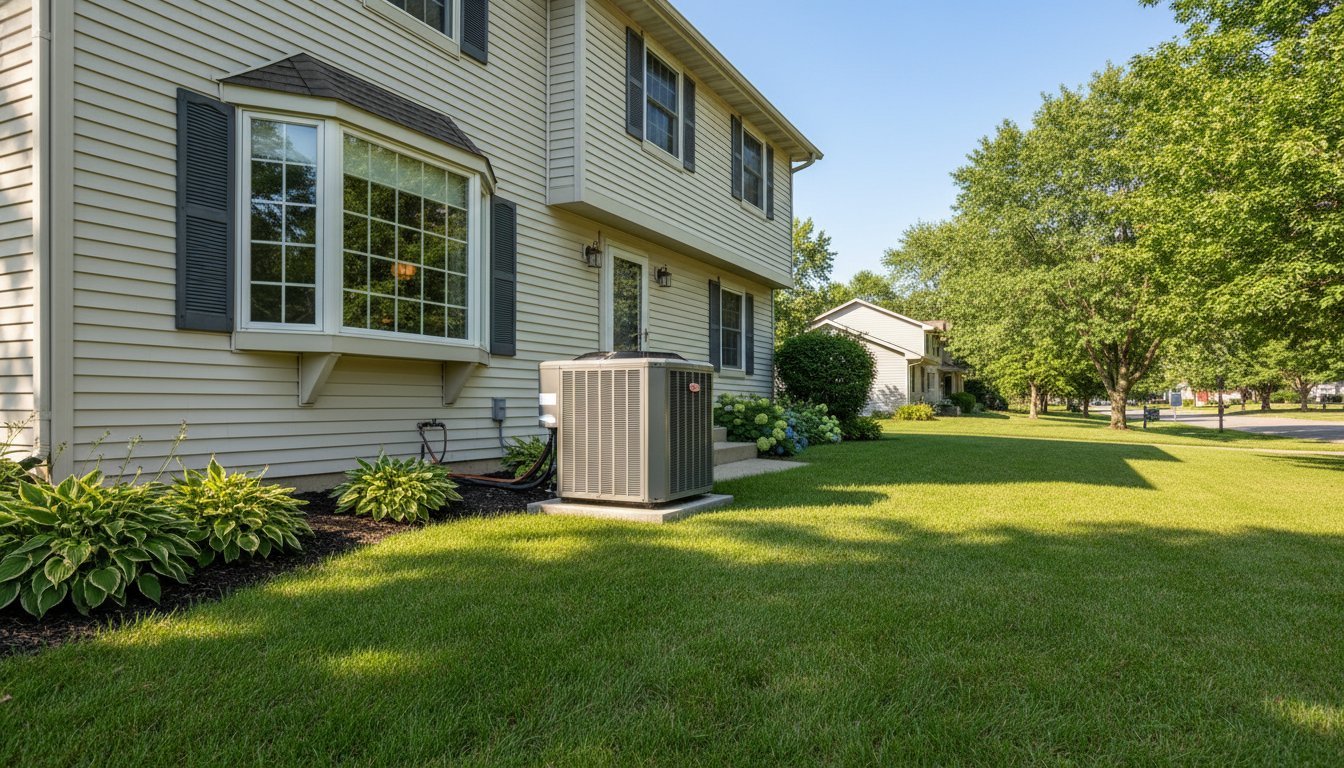
High Efficiency Air Conditioner Guide for Andover & North Metro MN
magine it's a 90-degree afternoon in Andover this July, and while the sun is blazing, your living room feels like a damp sauna. You check the thermostat, but the air feels heavy and your electric meter is spinning fast enough to cause a breeze of its own. Many North Metro homeowners find themselves in this exact spot, dreading the next utility bill while struggling to stay dry indoors. Investing in a high efficiency air conditioner changes that story by tackling both heat and moisture at the source.
We understand that Minnesota summers are short, but they're incredibly intense when the humidity hits 80 percent. It's frustrating to pay premium prices for cooling that leaves your home feeling sticky and uncomfortable. This guide will show you how modern cooling technology can slash your monthly energy costs and provide superior dehumidification for total home comfort. We'll break down the new SEER2 ratings and help you choose a reliable system built to last for the next 15 years.
Key Takeaways
Understand the transition to SEER2 ratings and how these modern standards ensure your home achieves maximum cooling performance.
Discover how a high efficiency air conditioner reduces monthly energy consumption and enhances indoor air quality during peak North Metro summers.
Learn why specialized cooling technology is essential for managing Minnesota’s unique humidity and preventing the "sticky" feeling in your home.
Calculate the long-term ROI of your upgrade and identify the "break-even" point where your utility savings cover the installation cost.
Find out why professional sizing through a Manual J calculation is more critical for your comfort than the efficiency rating alone.
What Is a High Efficiency Air Conditioner? Understanding SEER2
A high efficiency air conditioner is designed to provide maximum cooling while consuming the least amount of electricity possible. For homeowners in the North Metro, these systems are essential for managing humid Minnesota summers without seeing a massive spike in energy costs. These units rely on advanced components like high-performance coils and sophisticated compressors to move heat out of your home more effectively than standard models from a decade ago. Modern cooling technology focuses on precision, ensuring your home stays comfortable while reducing your overall carbon footprint.
The industry measures this efficiency using the Seasonal Energy Efficiency Ratio (SEER), which underwent a significant regulatory update on January 1, 2023. The federal government now requires all new residential air conditioning systems in Minnesota to meet a minimum of 13.4 SEER2. This change ensures that every new installation provides a baseline level of energy conservation that protects both your wallet and the local power grid. When you choose a system with a higher rating, you're investing in a unit that uses less fuel to achieve the same cooling results.
Single-stage compressors: These operate at 100% capacity or they are completely off, which can lead to noticeable temperature swings.
Two-stage compressors: These units have a high and low setting, allowing them to run at roughly 70% capacity on milder Andover days to save energy.
Variable-speed compressors: These systems adjust their output in tiny increments to match your home's exact cooling needs in real time.
SEER vs. SEER2: What Homeowners Need to Know
The shift to SEER2 was necessary because the original SEER testing didn't account for the external static pressure found in real-world ductwork. In North Metro homes, restrictive ducts or older ventilation systems often force an AC unit to work harder than it does in a laboratory setting. SEER2 ratings use a more rigorous testing procedure that reflects these actual operating conditions, giving you a more honest look at how a unit will perform in your specific house. SEER2 is the total cooling output divided by total energy input. This updated metric helps you make an informed choice when comparing different brands and models for your next upgrade.
The Role of Variable-Speed Technology
Variable-speed technology is the defining feature of a top-tier high efficiency air conditioner. Think of a standard AC like a light switch that's either on or off; a variable-speed motor works like a dimmer switch. It can slow down to 40% capacity or ramp up to 100% depending on the outdoor temperature. These longer, lower-speed cycles are much better at removing humidity, which is a major comfort factor in the Twin Cities. Because the system rarely stops and starts, it experiences less wear and tear while maintaining a consistent temperature within a single degree of your thermostat setting. This technology represents the gold standard for modern HVAC performance and long-term reliability.
Benefits of Upgrading Your Cooling System in the North Metro
Upgrading to a high efficiency air conditioner offers immediate relief for your wallet and your home's comfort. Many North Metro homes still rely on units installed over 15 years ago. These older systems struggle during 90 degree Minnesota summers, leading to spiked utility bills and frequent repairs. A modern upgrade changes that dynamic immediately. It provides a steady, reliable cooling experience that older technology simply cannot match.
In cities like Ramsey and Blaine, a new HVAC system is a major selling point. Local real estate trends show that energy-efficient upgrades increase property appeal and can speed up a sale. Buyers want to know they won't face a mechanical failure during their first summer in a new home. Beyond resale value, you'll notice a massive drop in noise. Old "clunker" units often reach 80 decibels; however, new high-efficiency models frequently operate as low as 55 decibels. That's the difference between a loud vacuum cleaner and a quiet conversation in your backyard.
Lower Energy Bills and Environmental Impact
The jump from a SEER 10 unit to a SEER 18 system can reduce energy consumption by approximately 44 percent according to Department of Energy data. This translates to significant savings over a single cooling season. You're also doing your part for the environment. Smarter energy use directly lowers your household carbon footprint by reducing the demand on the local power grid. When you pair a high efficiency air conditioner with a smart thermostat, the savings grow. These devices learn your schedule and adjust temperatures automatically, ensuring you don't waste power while you're at work or sleeping.
Superior Reliability and System Longevity
Modern systems are built for the long haul. High-efficiency components often feature variable-speed technology. This means the system runs at lower speeds for longer periods instead of constantly turning on and off at full blast. This reduction in "hard starts" prevents significant wear and tear on the compressor, which is the most expensive part of your unit. You'll enjoy a more consistent temperature without the sudden blasts of cold air common in older models.
Extended Protection: Most top-tier manufacturers now provide a 10-year parts warranty as a standard feature.
Enhanced Air Quality: Variable-speed motors allow for continuous air filtration, which removes more dust and allergens from your living space.
Local Expertise: You can request a free estimate to see which high-performance system fits your specific North Metro home layout.
This reliability provides genuine peace of mind. You won't have to worry about the system failing during a record-breaking July heatwave. By choosing a durable, expert-installed unit, you're investing in a decade or more of worry-free cooling and superior indoor air quality for your family
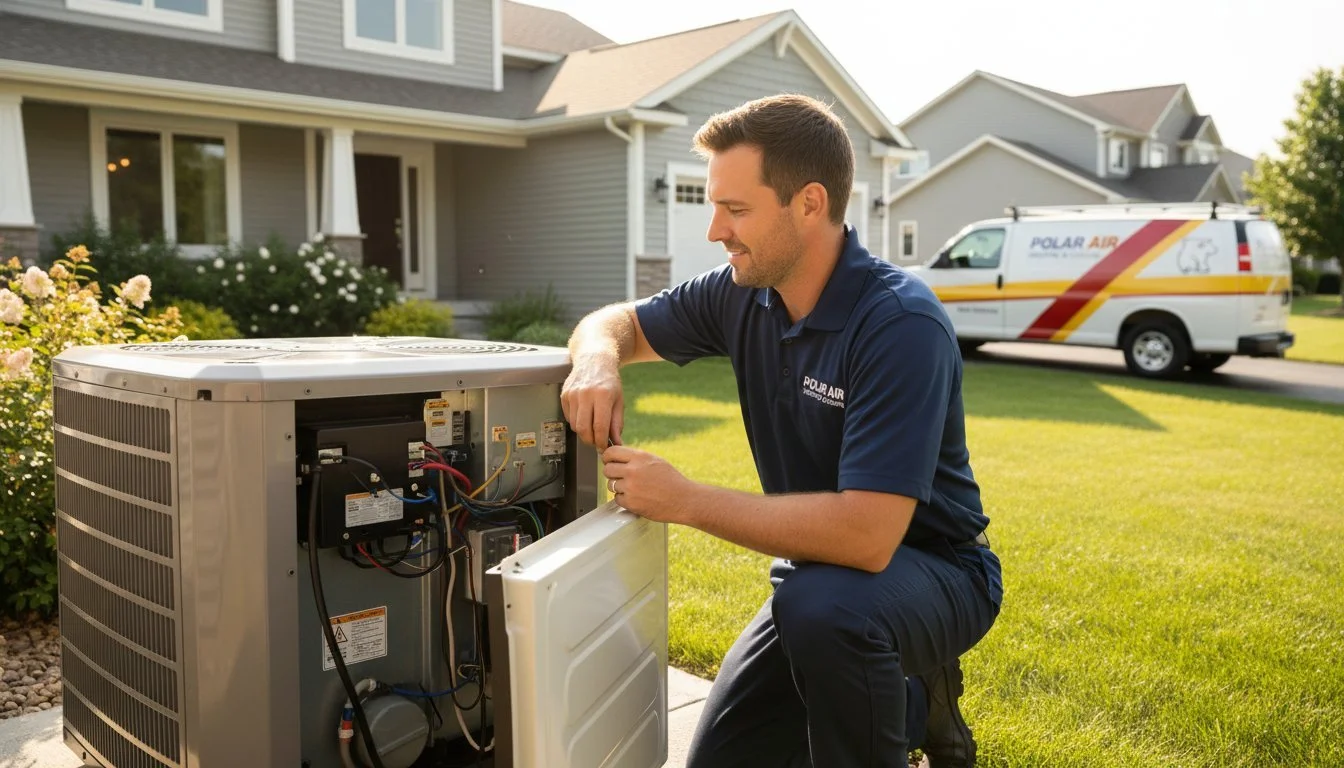
Same Day Air Conditioner Service in Andover, MN: Fast, Local Relief
Immediate Same Day Air Conditioner Service in Andover, MN
Since 1984, C&M Heating and Air has served as a trusted North Metro fixture. We understand that a broken cooling system isn't just an inconvenience during a humid Minnesota July; it's an emergency. Our same day air conditioner service Andover is designed specifically for total system failures where indoor temperatures climb rapidly. We prioritize Anoka County residents by dispatching technicians who live and work in the community. This local proximity means we spend less time in traffic on Highway 10 and more time at your doorstep. Our 40 years of experience allow us to diagnose issues quickly, whether it's a blown capacitor or a failed compressor.
Even during peak-season heatwaves, we maintain a robust fleet of experienced professionals to ensure quality isn't sacrificed for speed. We manage high demand through a proprietary dispatching system that keeps our North Metro teams focused on their own backyards. This efficiency allows us to provide the same day air conditioner service Andover families need to stay safe and comfortable.
The Urgency of Cooling in a Minnesota Summer
High heat poses genuine health risks, especially for seniors and pets in Andover neighborhoods. When the thermometer hits 90 degrees, indoor environments can become dangerous within a matter of hours. Beyond physical health, the extreme humidity levels common in the Twin Cities can trigger rapid mold growth if air circulation stops. Understanding How Air Conditioning Works helps homeowners realize that these systems don't just cool; they act as primary dehumidifiers. Without this function, moisture builds up in drywall and carpets, leading to costly property damage. Our same-day service is a firm commitment to restoring your home's comfort within 24 hours of your initial call.
Local Accountability vs. National Franchises
Choosing a family-owned provider offers a level of accountability that national franchises can't match. When you call us, you aren't reaching a distant call center in another time zone. You're talking to a local dispatcher who knows the North Metro area from Ham Lake to Ramsey. Our technicians are your neighbors, and they're invested in the well-being of the Andover community. This direct connection allows for faster estimates and immediate access to decision-makers. You don't have to wait for corporate approval to get a fair price or a specialized part. We provide expert solutions with a "service-first" persona because we are a part of the local geography we serve.
Our Rapid Response Protocol: How We Guarantee Fast Andover Cooling Help
When your home hits 85 degrees inside, you need more than a promise; you need a proven process. Our team developed a five-step protocol to ensure every request for same day air conditioner service Andover receives the urgent attention it deserves. It begins the moment you call. Our office staff performs an immediate triage to identify life-safety risks or critical emergencies, such as households with infants or seniors during a North Metro heatwave. We don't just put you on a list; we prioritize your family's safety.
Once we've prioritized your call, we dispatch the nearest technician from our Twin Cities fleet. These experts arrive in a "warehouse on wheels" designed to resolve 90% of cooling issues during the first visit. Upon arrival, we use advanced digital sensors to pinpoint the exact failure point. This diagnostic phase often reveals common causes for emergency AC repair like failed capacitors or restricted airflow. Before any tools turn, we present our transparent "C&M Special" pricing so you know the exact cost. We finish by performing the repair and testing the entire system for long-term reliability.
The "Warehouse on Wheels" Advantage
Waiting for a part to arrive from a distributor is frustrating when you're sweating in your own living room. To prevent this, our trucks carry a deep inventory of universal and brand-specific components. This includes capacitors, contactors, and fan motors for industry leaders like Rheem, Carrier, and Lennox. By maintaining this mobile inventory, we eliminate the need for return trips that delay your comfort. It's a key reason why we're a trusted local repair partner for homeowners who can't afford to wait.
Expert Technicians Ready for Any System
Our same day air conditioner service Andover team undergoes 40+ hours of annual technical training to stay current on evolving HVAC technology. Whether you have a traditional central air unit or a modern ductless mini-split system, our technicians have the specific tools to fix it. Every member of our field crew holds EPA certification. This is a legal requirement for handling refrigerants safely on-site, ensuring your repair meets federal environmental standards while restoring your home's cooling capacity. We treat your home with the respect it deserves, leaving the workspace cleaner than we found it.
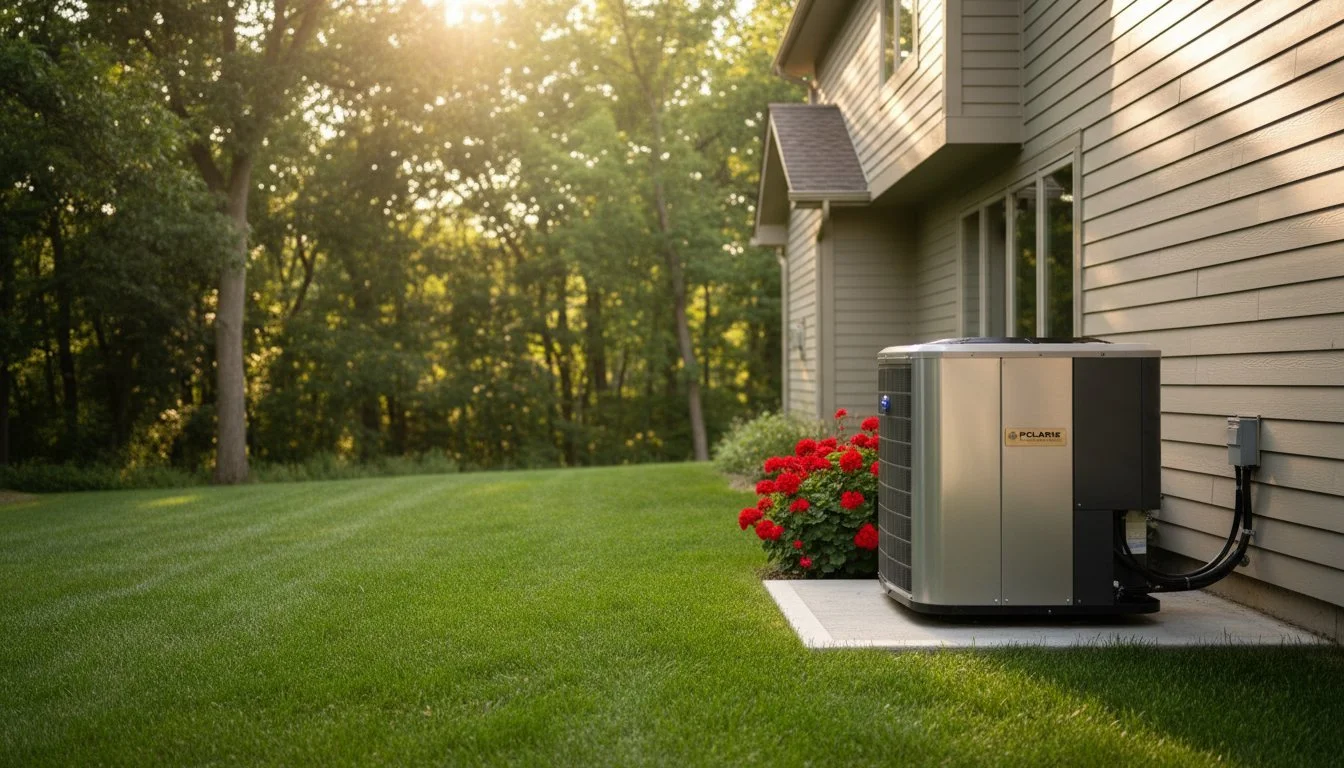
What is SEER Rating? A Homeowner’s Guide for the Twin Cities & North Metro
Last July, a homeowner in Anoka watched their electric bill climb 22% during a single humid week, even while keeping the thermostat at a steady 72 degrees. If you're staring at your own utility statement and wondering why your cooling costs are spiking, you're likely asking: what is seer rating and why does it matter for my home? This number is more than just industry jargon. It's the key to understanding how much you pay to stay cool when the Minnesota humidity hits its peak.
It's frustrating to sort through technical terms like SEER and the new SEER2 standards, especially when you just want a comfortable house without overpaying for efficiency you don't need. Our team at C&M Heating and Air believes in providing clear, expert solutions for our neighbors in the Twin Cities and North Metro. We'll show you exactly how these ratings impact your monthly bills and your indoor comfort. You'll get a clear look at the specific differences between standard and high-efficiency units so you can make a confident choice for your specific city and budget.
Key Takeaways
Learn exactly what is seer ratingand how this "miles-per-gallon" analogy helps you predict the monthly energy costs of your new cooling system.
Understand the shift to SEER2 standards and why these updated testing protocols offer a more realistic look at how units perform in Twin Cities homes.
Determine if high-efficiency AC is worth the investment for Minnesota’s summers with a clear ROI breakdown for homeowners in Blaine and Coon Rapids.
Explore our "Good, Better, Best" framework to identify the efficiency sweet spot that balances upfront costs with long-term comfort for your North Metro property.
Discover why expert installation from a trusted local team is the single most important factor in reaching your equipment's maximum rated efficiency.
Understanding SEER: The "Miles-Per-Gallon" of Your Air Conditioner
Understanding what is seer rating helps you make an informed decision when your old AC unit starts to fail during a heatwave. SEER stands for Seasonal Energy Efficiency Ratio. It serves as the primary metric for measuring how much cooling a system provides per unit of electricity consumed. Think of it as the "miles-per-gallon" rating for your home cooling system. Just as a fuel-efficient car travels more miles on a single gallon of gas, a high-SEER air conditioner provides more cooling for every kilowatt-hour of electricity it pulls from the grid.
For homeowners in Andover and Ramsey, this efficiency is vital when July temperatures hit 90 degrees with high humidity levels. The Department of Energy uses these ratings to set national standards, ensuring that modern units meet minimum performance levels to reduce energy waste. Since January 1, 2023, new federal regulations require residential systems in northern states to meet a minimum of 13.4 SEER2, which is the updated testing standard for modern equipment. Choosing a unit that exceeds these minimums can lead to substantial long-term savings on your energy costs.
The Basic Calculation: How SEER is Measured
The Seasonal Energy Efficiency Ratio (SEER) is calculated by taking the total cooling output of a typical cooling season and dividing it by the total electric energy input during that same period. The "seasonal" part of the name is what makes this metric accurate for our varied Minnesota weather. It doesn't just measure how the unit performs on the hottest day of the year; it accounts for the fluctuating temperatures we experience from May through September. When you invest in a system with a higher rating, you're choosing a machine that manages these temperature swings more effectively. This efficiency translates directly into lower monthly utility bills, as the system doesn't have to work as hard to maintain your desired indoor temperature.
Why Efficiency Metrics Matter for Your Home
Selecting an efficient unit impacts more than just your wallet. It significantly reduces your home's carbon footprint and overall environmental impact. On a community level, high-efficiency cooling reduces the collective strain on the local Twin Cities power grid during peak demand periods. This helps maintain stability for everyone in the North Metro during extreme weather events. Beyond the technical specs, high SEER ratings are often linked to advanced technology like variable-speed compressors. These components provide superior indoor dehumidification. By removing more moisture from the air, these units make your home feel comfortable at a slightly higher temperature, further reducing the need to run the AC constantly.
SEER vs. SEER2: Navigating the New 2026 Efficiency Standards
The HVAC industry underwent a major shift on January 1, 2023, when the Department of Energy (DOE) officially introduced SEER2. This change wasn't just a simple rebranding. It was a complete overhaul of how we measure cooling efficiency. While you might still be learning what is seer rating, the industry has already moved to the more rigorous "M" testing protocol. This new method increases the external static pressure during testing from 0.1 inches to 0.5 inches of water column. This shift is vital because it mimics the actual resistance your ductwork provides in a typical North Metro home. Old SEER ratings often overestimated performance because they assumed ductwork was perfectly clear and oversized, which is rarely the case in older Twin Cities neighborhoods.
The DOE Mandate and Your New AC Options
Federal regulations now dictate exactly what our team can install in Minnesota homes. You can no longer buy the low-efficiency 10 or 12 SEER models that were standard a decade ago. Currently, the minimum standard for northern states is 13.4 SEER2, which is roughly a 14 SEER. These rules ensure that every new system installed provides a baseline level of energy conservation that helps lower regional grid strain during humid Minnesota summers.
Beyond simple efficiency numbers, the industry is also managing the mandatory phase-out of R-410A refrigerant. By 2025 and moving into 2026, manufacturers are transitioning to A2L refrigerants, which have a much lower impact on the environment. These new units are designed specifically for SEER2 compliance and updated safety standards. If you're looking at current 2026 availability, you'll find that most inventory in the North Metro already meets these high bars. Our team provides free estimates to help you identify which modern, compliant models best suit your home's layout and your family's comfort needs.
Converting Old SEER to New SEER2
SEER2 ratings are typically lower than SEER for the same unit because the testing process is significantly more difficult for the equipment to pass.
To estimate how an older unit compares to modern standards, use the 1.05 conversion factor. You can divide a standard SEER rating by 1.05 to find its SEER2 equivalent. For example, a unit previously labeled as 15 SEER is now roughly equivalent to a 14.3 SEER2 model. When you're shopping for a new system, looking for the SEER2 label is the only way to ensure 2026 compliance. This ensures you're investing in technology that meets the latest federal benchmarks for energy reduction and long-term reliability. Understanding what is seer rating in this new context helps you make a choice that balances upfront costs with years of lower utility bills.